
Cindy Sherman
Cindy Sherman, born 1954 in New Jersey, lives and works in New York. Hailed as one of the most important artists of her generation, Sherman explores the nature of representation, the manipulations of which are so fundamental to our image-based society, they escape detection. Similarly, the themes she undertakes in her photo-based works – from the identity issues of the early Untitled Film Stills to her more grotesque recent manifestations – are so ubiquitous in current art that they are taken for granted. With an almost uncanny sense of our culture's concerns, Sherman is always one step ahead, providing a mirror of our fears, expectations, and obsessions.
Cindy Sherman Editions
Cindy Sherman
Untitled
1993
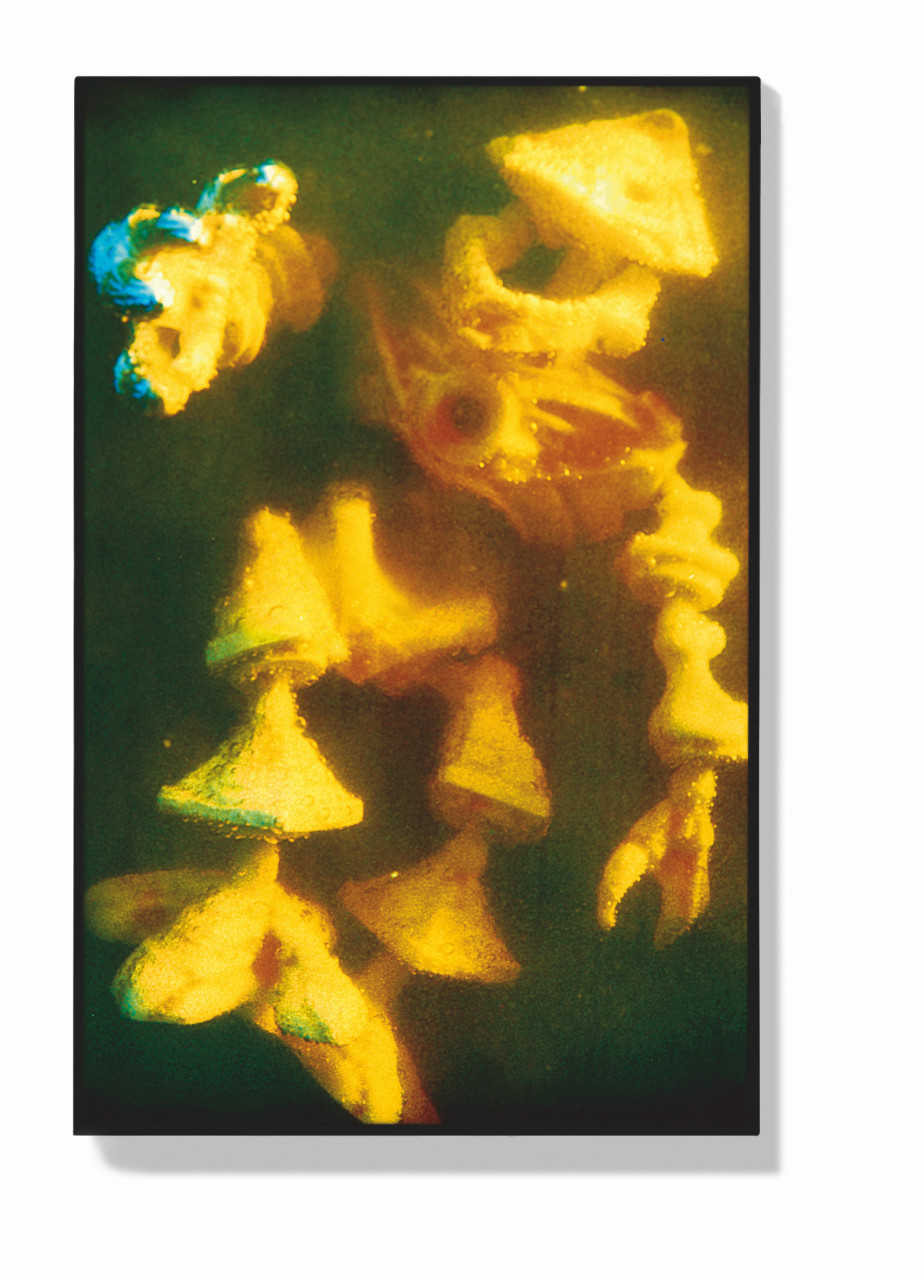
Light box with transparency, 155 x 100 x 8.5 cm (61 x 39½ x 3¼ in). Edition of 15, signed and numbered.
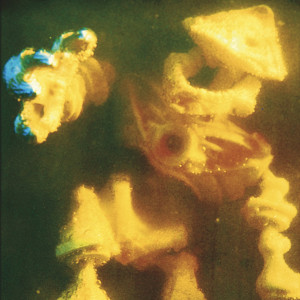
This edition by Cindy Sherman presents a luminous, otherworldly figure in the form of a light box, where the artist’s characteristic interest in disguise, artifice, and identity merges with the material glow of photographic transparency. Suspended in a dreamlike space, the biomorphic puppet-like form is rendered in vivid, saturated color and layered texture. The image resists clear interpretation, straddling the line between body and object, sculpture and photograph. As with much of Sherman’s work, the figure becomes both subject and mask – performative, unsettling, and theatrically constructed.
EUR 9,000
Cindy Sherman
Untitled (Wall Work)
1993
From Wall Works
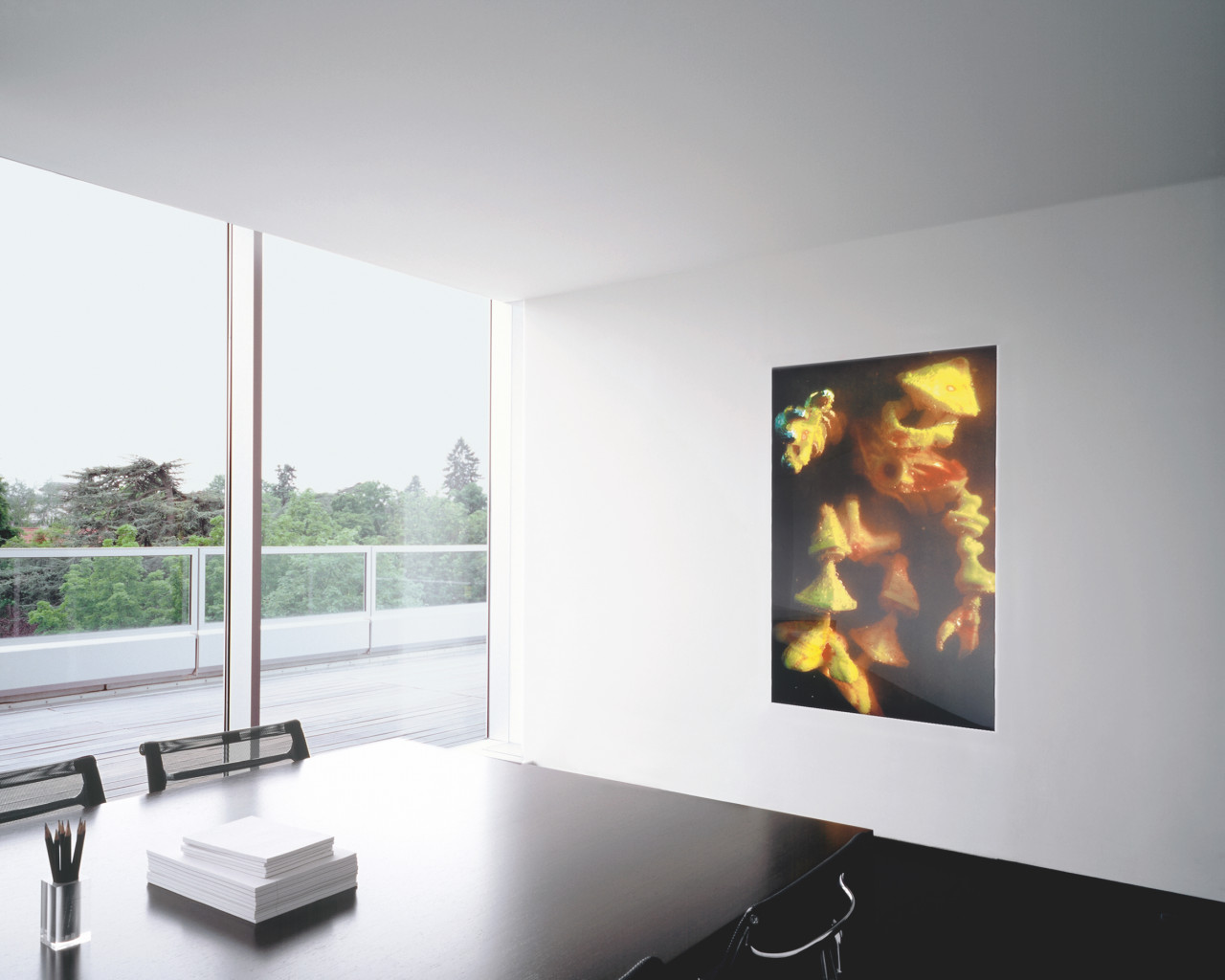
Color transparency in white light box, built into a wall. Light box 155 x 100 x 8.5 cm (61 x 39½ x 3¼ in). Limited to an edition of 10, with a signed and numbered label.
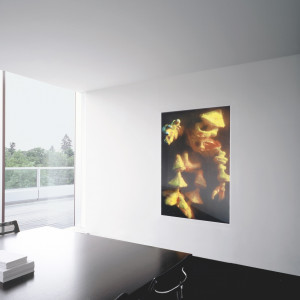
Cindy Sherman’s wall work edition embeds the same photographic image as her light box edition from the same year into the architecture of the space, creating seamless visual and conceptual integration. The glowing transparency is no longer a framed object but a sculptural intervention – its bodily form seeming to emanate directly from the wall. In this version, Sherman’s enigmatic figure becomes part of the built environment, further blurring the line between installation and image. The shift in context transforms the viewer’s encounter, emphasizing the uncanny physicality and spatial presence of the work.
EUR 12,000
Cindy Sherman
Untitled (Mask)
1992
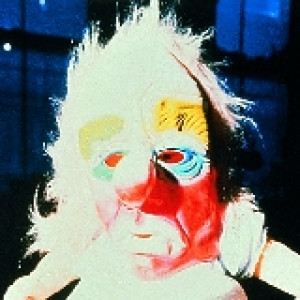
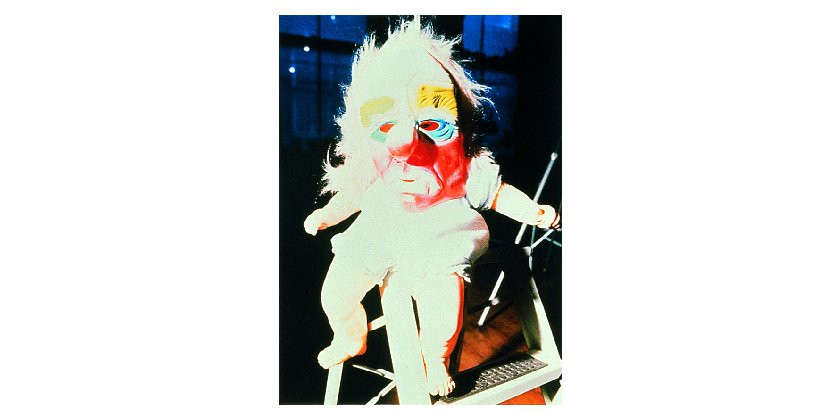
Cibachrome, 61 x 51 cm (24 x 20 in). Edition of 125, signed and numbered.
EUR 4,000
Cindy Sherman
Untitled
1989
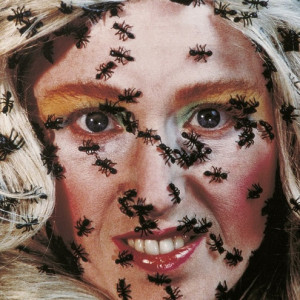
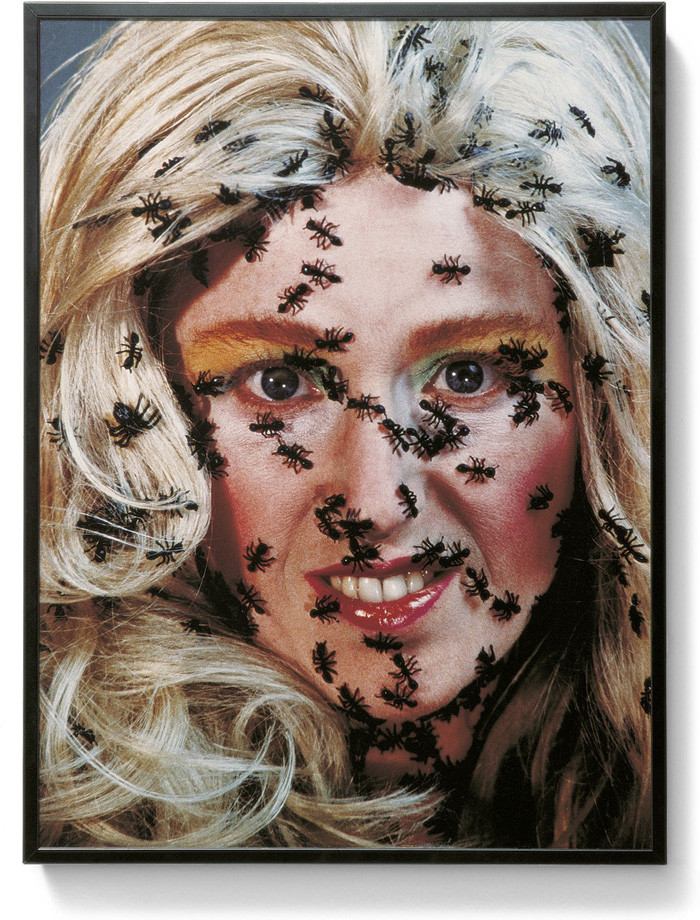
Electrical light box with two color transparencies, 80 x 60 x 8.5 cm. When the box is unlit, only a single transparency is visible; when illuminated, both transparencies appear superimposed. Edition: 24, signed and numbered on label verso of box.
For her edition Untitled (1989), Cindy Sherman uses the illuminated light box to intensify the tension between surface and transformation, beauty and grotesque. In its unlit state, the image shows Sherman herself in a more glamorous guise, her makeup clearly visible, with just a few ants scattered across her face. But once the light box is activated, the cosmetic veneer disappears and a second transparency emerges: far more ants swarm over her features, overtaking the initial portrait. The shift is both surreal and unsettling, turning the stylised, performative image into a scene of creeping invasion. With characteristic wit and provocation, Sherman exploits light and layered transparencies to interrogate ideals of femininity, perception, and bodily integrity – recasting the act of looking as an encounter with disruption and unease.
Cindy Sherman
Untitled (from: For Joseph Beuys)
1986
From For Joseph Beuys
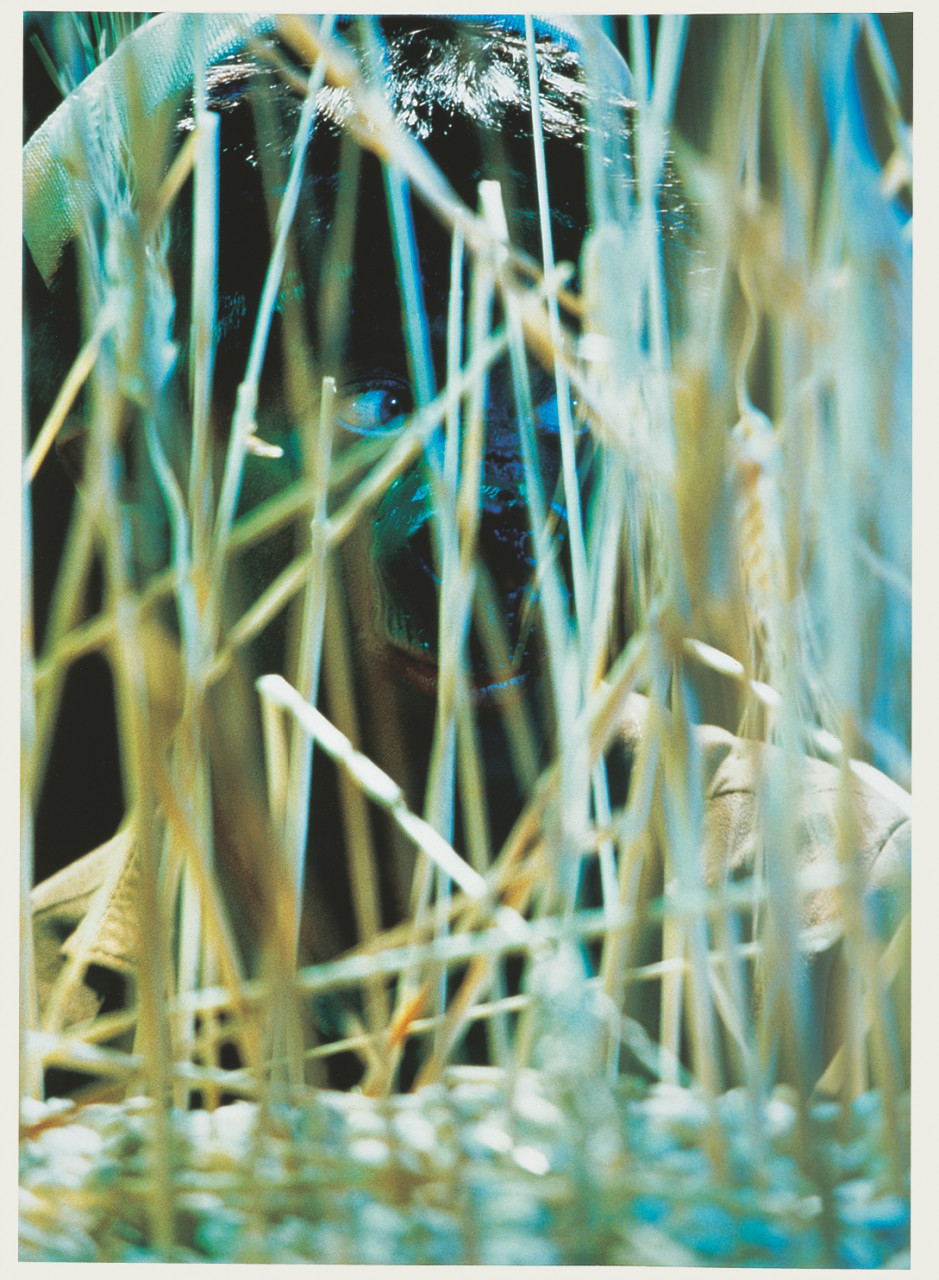
Ektacolor photograph, 81.3 x 59.5 cm (32¾ x 23½ in). Edition of 90 + XXX, signed and numbered.
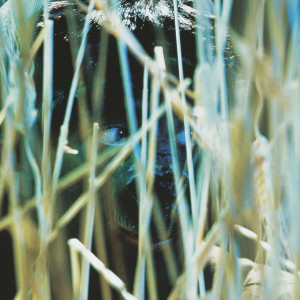
Cindy Sherman created this edition for the group portfolio honoring Joseph Beuys; the work reflects both her distinctive photographic language and a spirit of metamorphosis often associated with Beuys’ legacy. In the image, a masked or made-up figure peers through a dense thicket of reeds, part concealed, and part revealed – evoking themes of camouflage, transformation, and the tension between nature and artifice. With its eerie palette and ambiguous setting, the work captures the primal undercurrents that animate much of Sherman’s practice, while subtly nodding to Beuys’ own mythic self-invention and exploration of the natural world as a site of meaning.

