
Joseph Beuys
Joseph Beuys (1921-1986), born in Krefeld, Germany, lived and worked in Düsseldorf. Working as a sculptor, painter, performance artist, art theorist and teacher, Joseph Beuys was and still is widely regarded as one of the most influential artists of the 20th century. Associated with Fluxus, Conceptual Art and Neo Dada and known for his use of unorthodox materials such as fat, copper, felt and honey, the artist created a complex oeuvre that includes a large number of multiples and other editions. Edition Schellmann / Schellmann Art closely worked with Joseph Beuys from 1970 until his death in 1986 – publishing several of the artist’s editions, and editing his catalogue raisonné The Multiples.
Joseph Beuys Editions
4 books from Projekt Westmensch, 1958
Filzkeil (Felt Wegde)
Iphigenie/Titus Andronicus
Brustwarze (Nipple)

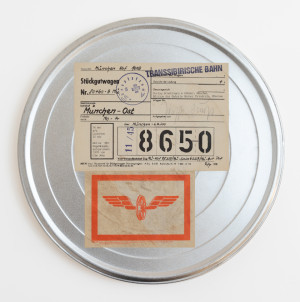
Transsibirische Bahn (Transsiberian Rail)
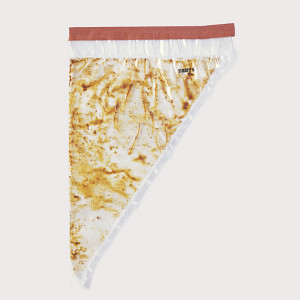
Hasenblut (Hare's Blood)
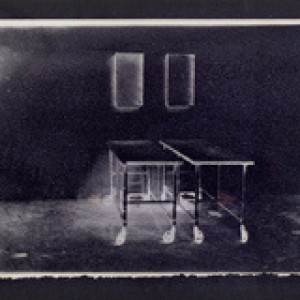
Zeige deine Wunde (Show Your Wound)
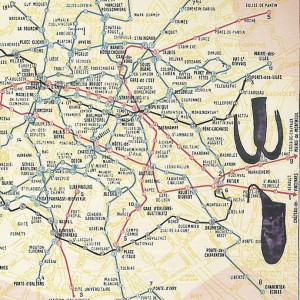
Initiation Gauloise (Gallic Initiation)
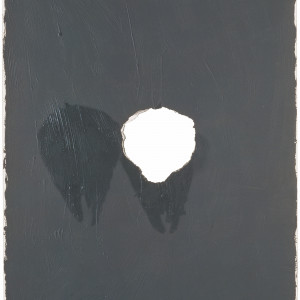
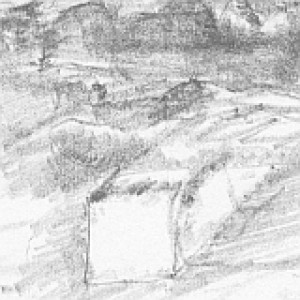
Zeichnungen zu Codices Madrid von Leonardo da Vinci II (Drawings for Codices Madrid by Leonardo da Vinci II)
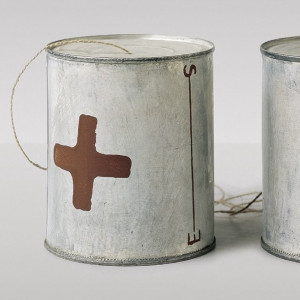
Telephon S––––Ǝ (Telephone T––––Я)
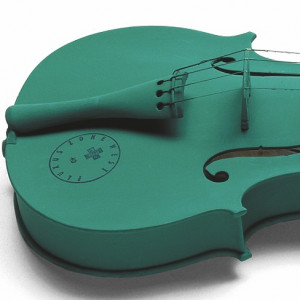
Grüne Geige (Green Violin)
Enterprise 18.11.72, 18:05:16 Uhr
Schiefertafel (Blackboard)
Celtic + ~~~~~

Fingernagelabdruck aus gehärteter Butter (Fingernail Impression in Hardened Butter)
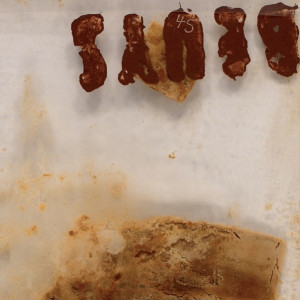
aus Künstlerpost (from Artist's Mail)
Unique Works
Joseph Beuys
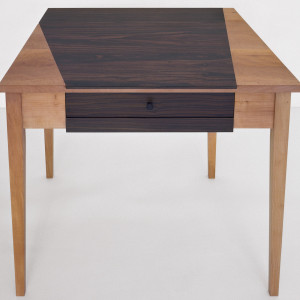
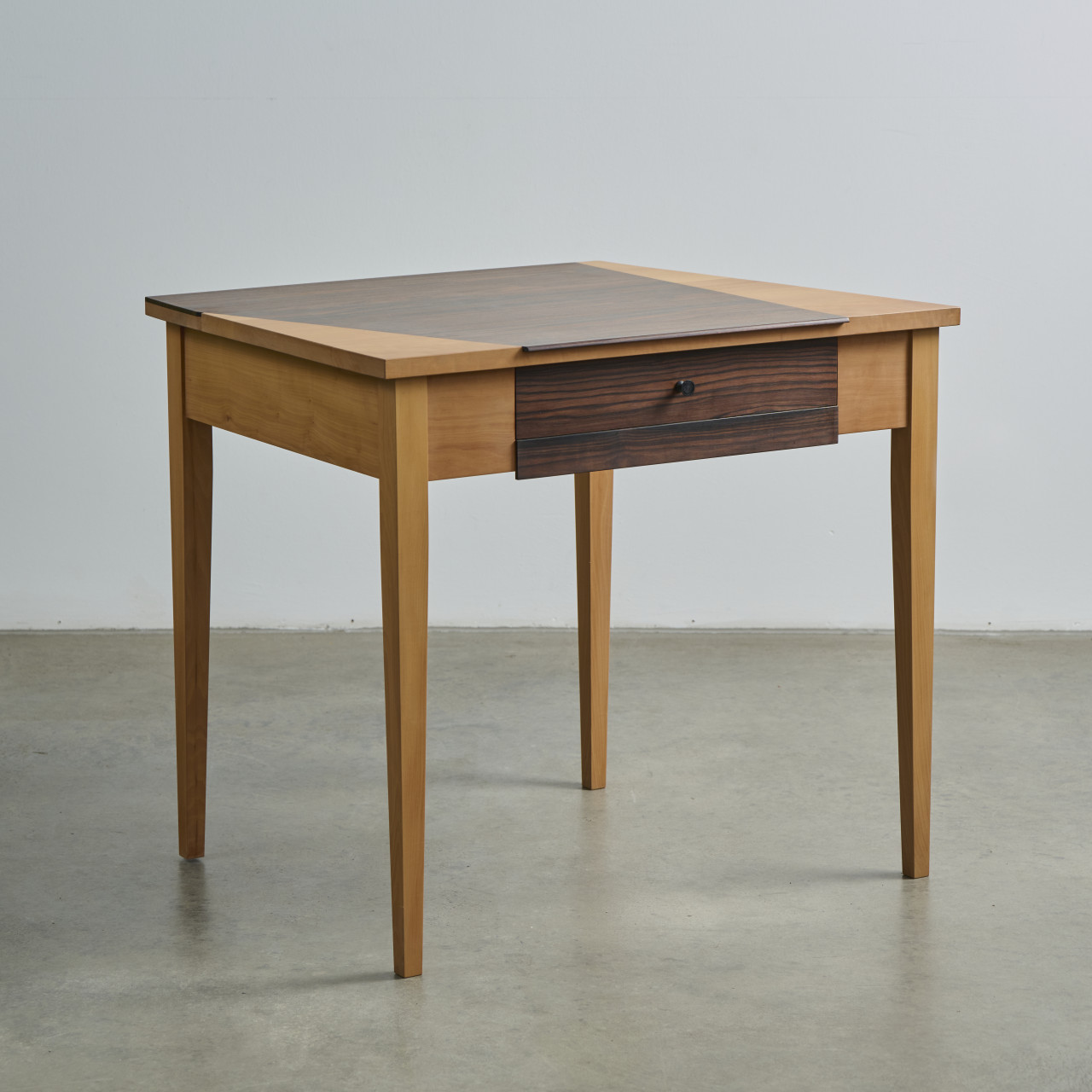
Table I Monk
1953/2008
Pearwood and ebony, with drawer, 75 x 83.5 x 64.5 cm. Limited to an edition of 9.
In 1953, Joseph Beuys designed three different tables and a bookshelf for a collector in Düsseldorf. Beuys expanded the first Monk table into a work of art and later integrated it into the legendary Block Beuys collection in the Hessisches Landesmuseum Darmstadt. The three tables and the bookshelf were first published in an edition in 2008, limited to 9 pieces each.
Joseph Beuys
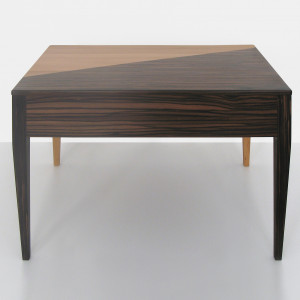
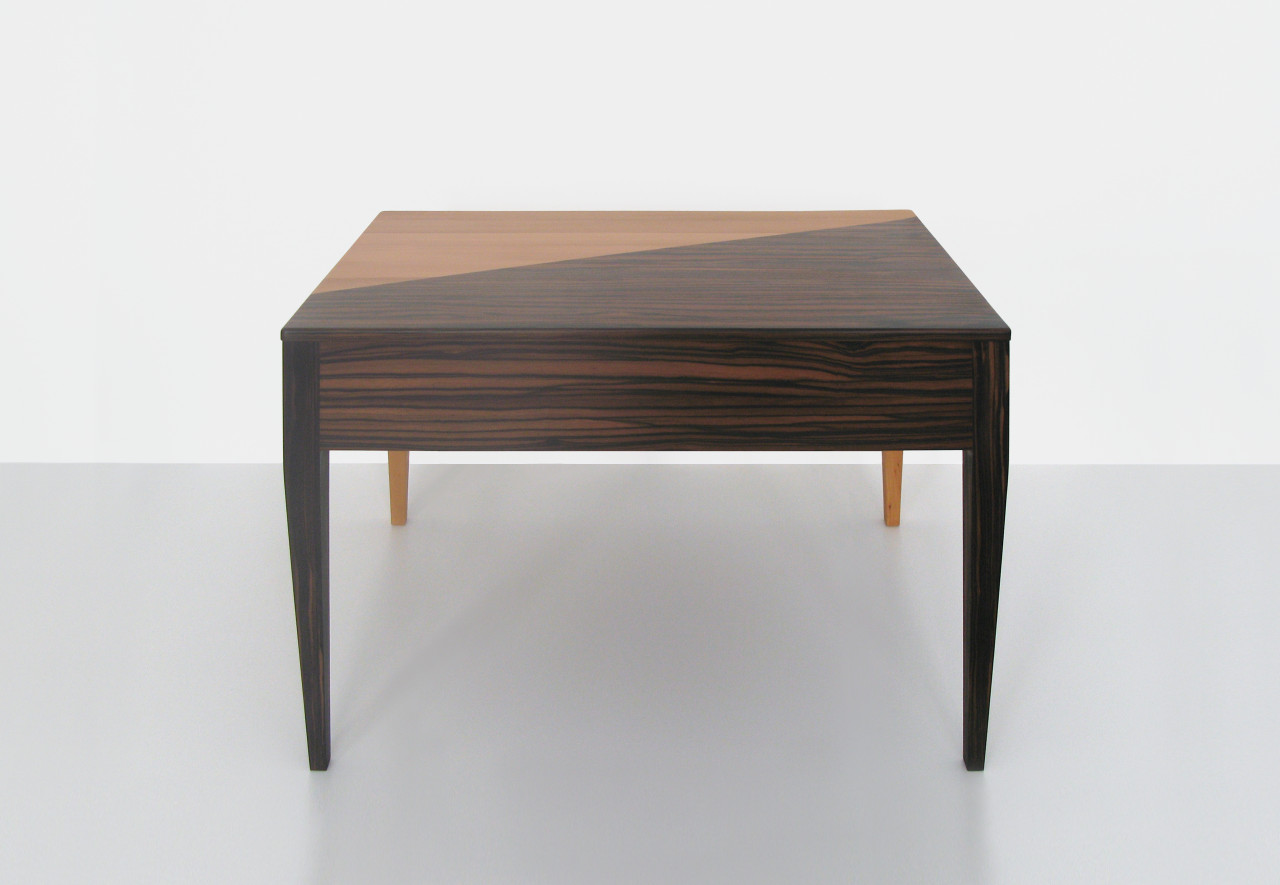
Table II Tête
1953-1954/2008
Pearwood and ebony. 55 x 92 x 65 cm. Limited to an edition of 9.
Joseph Beuys originally designed this table in 1953 for a collector in Düsseldorf. In 2008, it was published as an edition for the first time, limited to 9 pieces.
Joseph Beuys
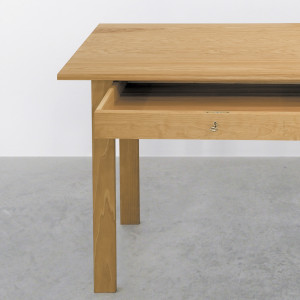
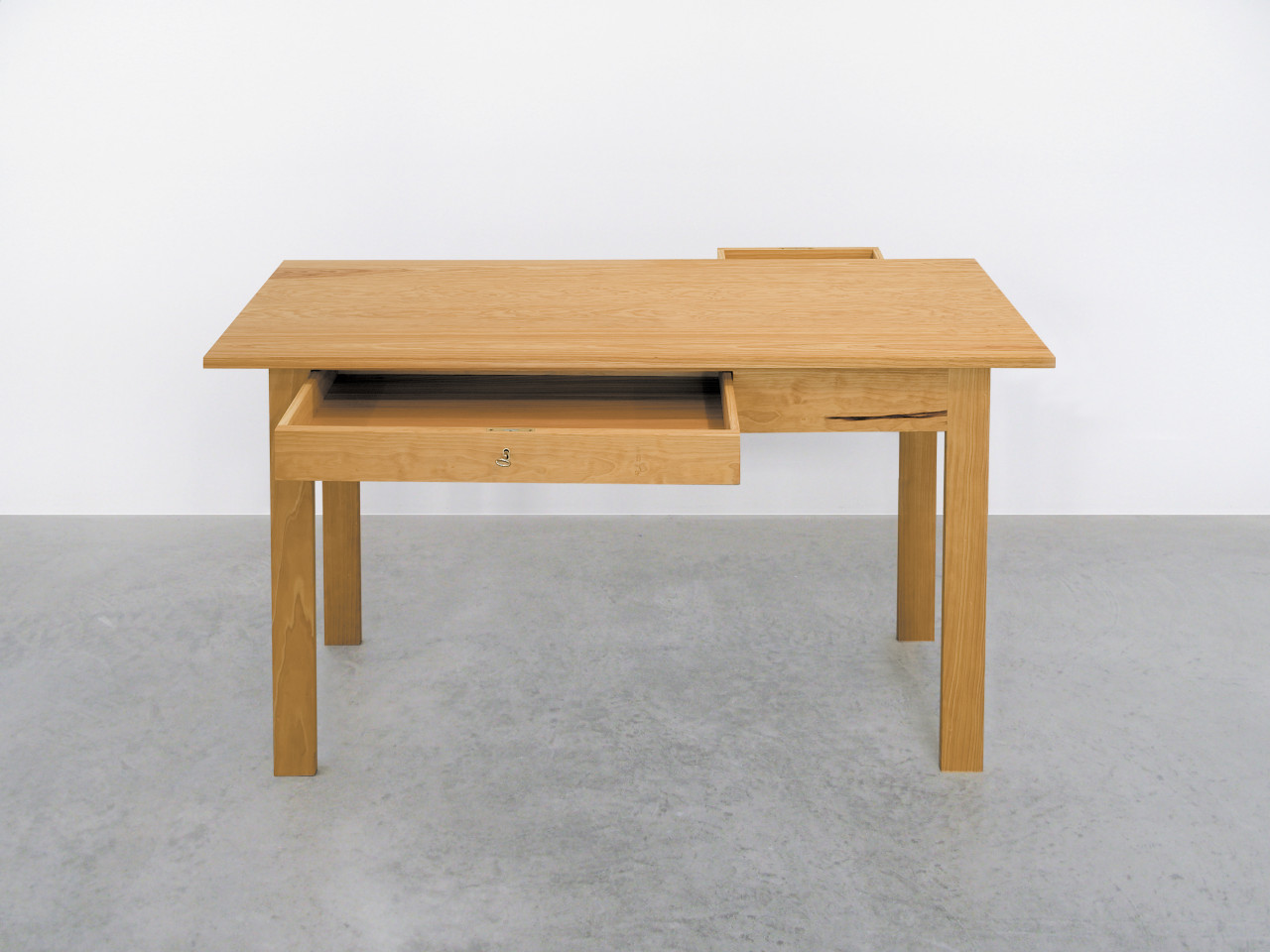
Table III Chest
1953/2008
Pitch Pine, with two drawers. 76 x 133 x 57.5 cm. Limited to an edition of 9.
Joseph Beuys originally designed this table in 1953 for a collector in Düsseldorf. In 2008, it was first published as an edition, limited to 9 pieces.
Joseph Beuys
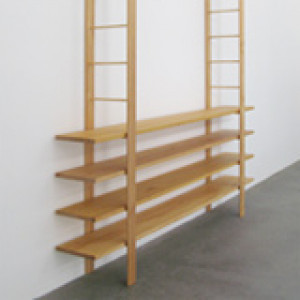
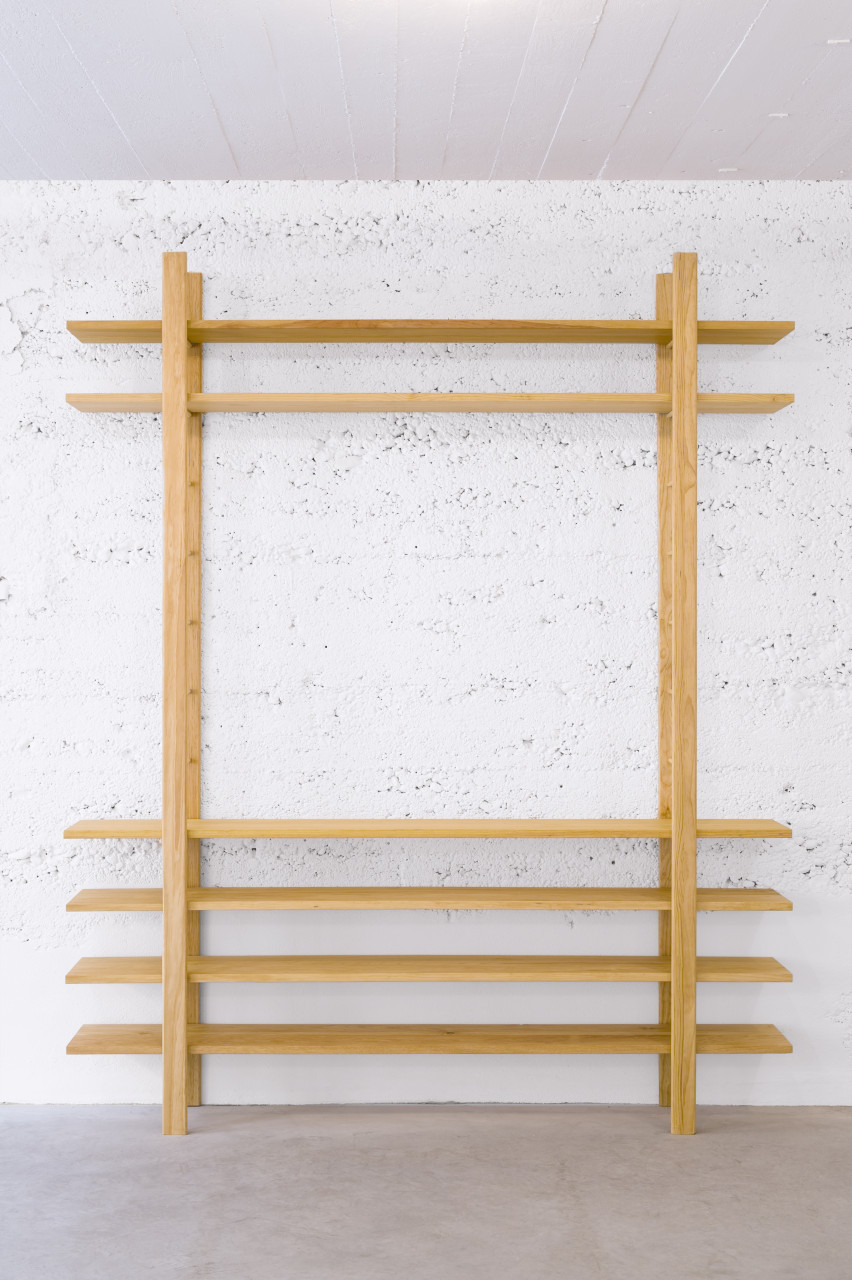
Royal Pitch Pine
1953/2008
Pitch Pine bookshelf. 266 x 220 x 34 cm. Limited to an edition of 9.
In 1953, Joseph Beuys designed this shelf (along with three different desks) for a collector in Düsseldorf. In 2008, Schellmann Art published all four pieces as an edition of 9 pieces each.
Joseph Beuys
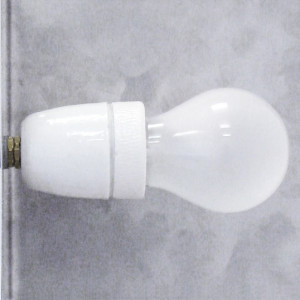
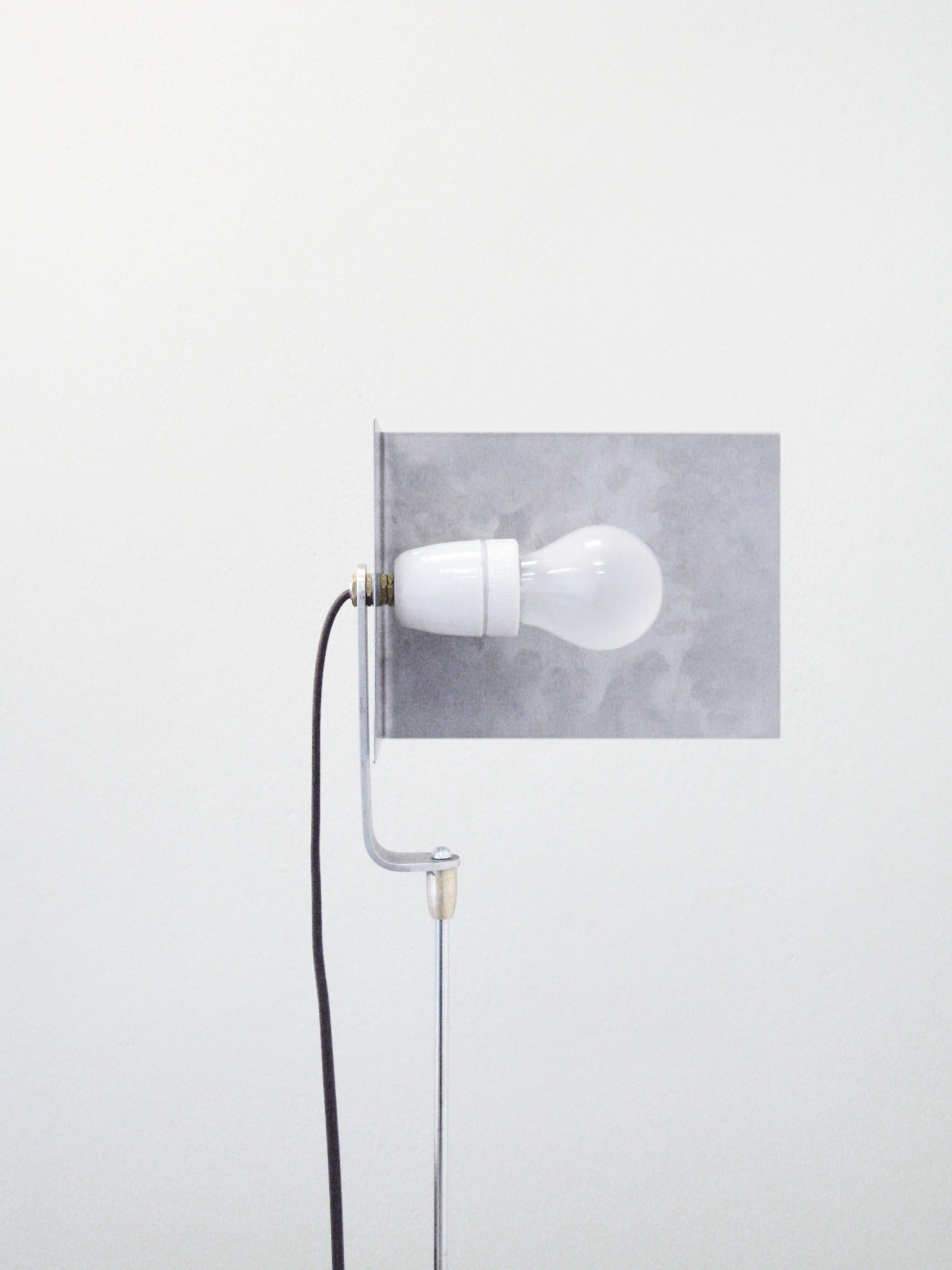
Lamp
1960/2008
Metal tripod, ceramic socket and metal reflector. Height adjustable from 75 to 210 cm.
Joseph Beuys made this lamp in 1960 for his studio in Düsseldorf, Drakeplatz 4. Originally created out of necessity, Joseph Beuys used it for over thirty years.
EUR 1,800
Joseph Beuys
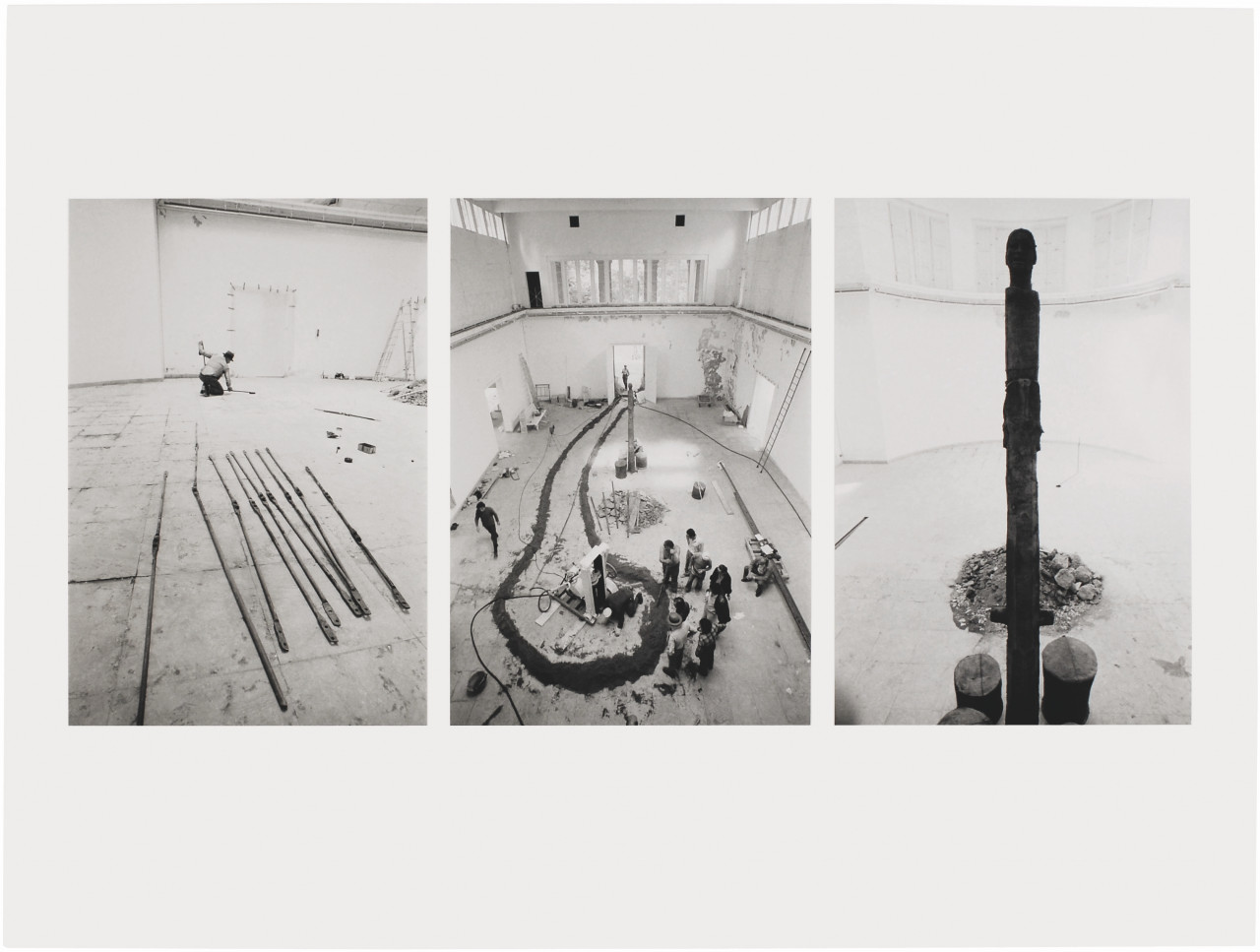
Tram Stop 1976
2007
From Re-Object/Mythos (available only as part of complete portfolio)
Three photographs by Karlheinz Nowald, digitally printed in 2007 from the original negatives, mounted on board, 61 x 81 cm (32 x 24 in). Edition of 45, stamped.
Joseph Beuys
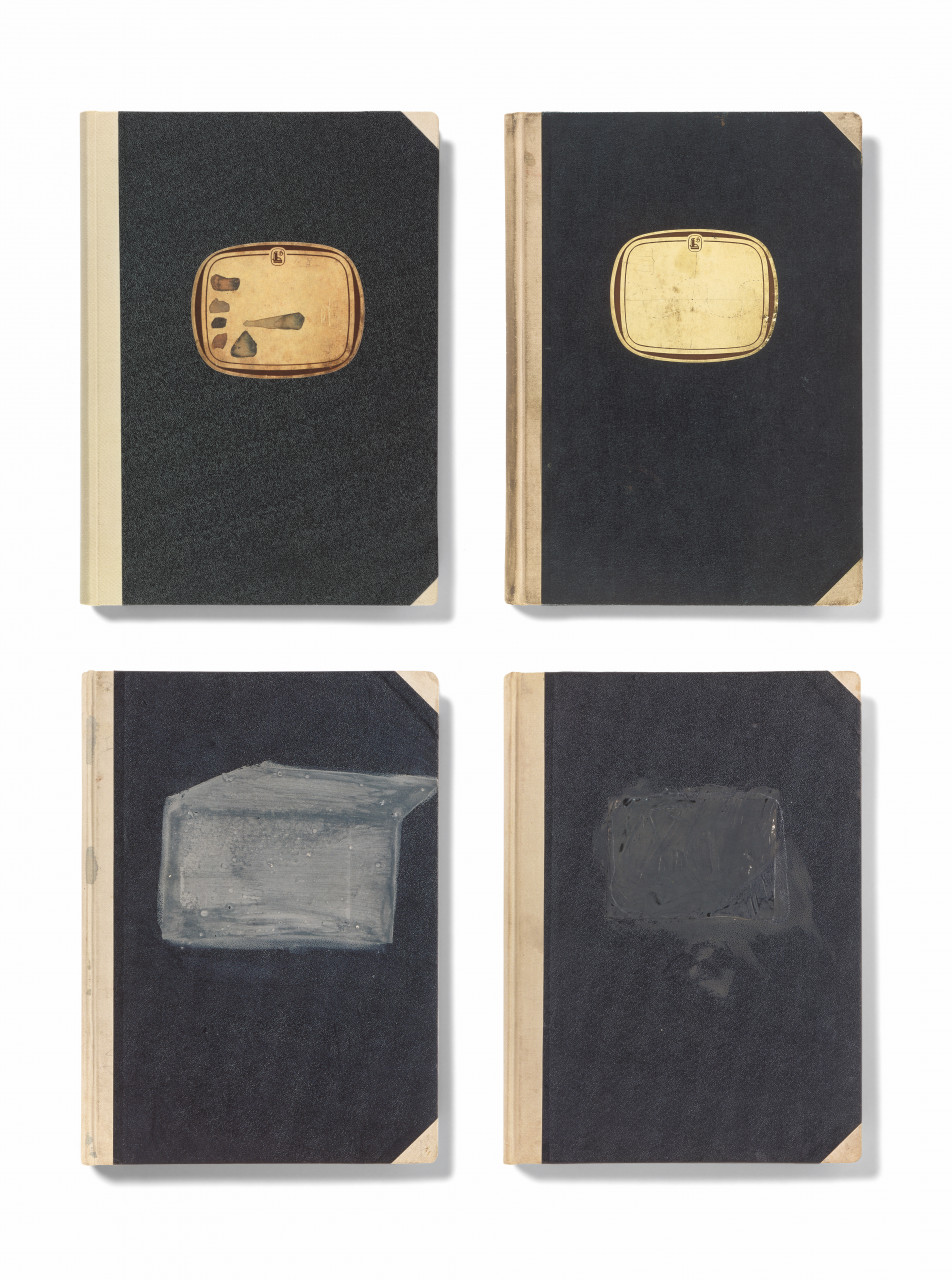
4 books from Projekt Westmensch, 1958
1992
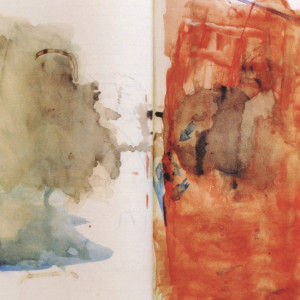
Facsimile edition of Joseph Beuys's sketchbooks. Grano-lithographs in 4-12 colors, on Scholars writing papers, with 454 out of a total 1,168 pages bearing imagery and notations by Beuys. Each book 30 x 22 x 1.8 cm (12 x 8½ x ¾ in). Edition of 365, stamp-numbered on one of the last pages.
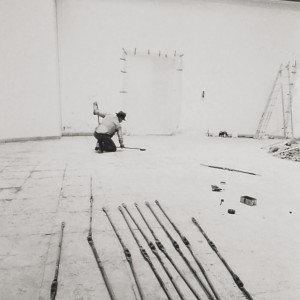
From 1958 to around 1965, Joseph Beuys worked on four sketchbooks, which he compiled under the title Projekt Westmensch. The pages of these books, which truly show the full range of his artistic output, are filled with drawings, texts, watercolors, lists of words and terms, concepts and themes with numerous notes for future projects. While many of the pages are directly related to his other works, there are some quite enigmatic forms, conceptual references and codes that present a fascinating challenge to both the viewer and professional art historians. The rhythm of the entries, which are often separated by long series of blank pages, gives a very intimate insight into the visual language of Joseph Beuys and his universal thinking.
EUR 2,500
Joseph Beuys
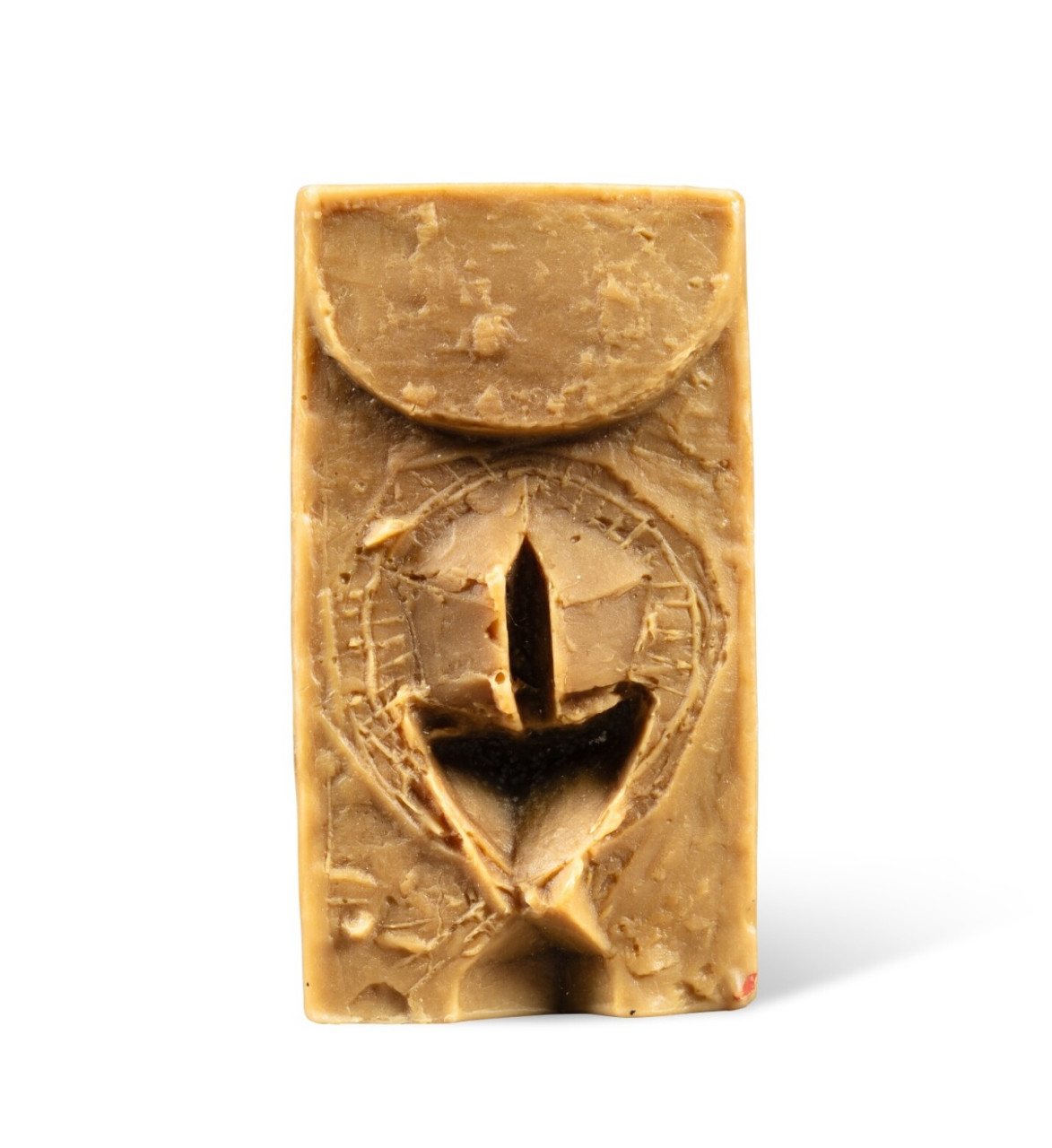
Cuprum 0,3% unguentum metallicum
1978-1986
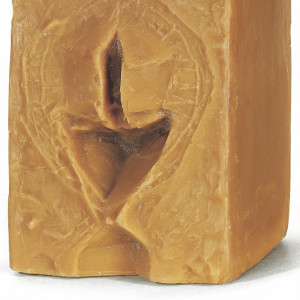
Cast beeswax with finely distributed copper, 19.5 x 10.5 x 10.5 cm. Embossed "JOSEPH BEUYS", with estate's certificate, edition of 18 + 5 A.P.
Schellmann 556
This edition by Joseph Beuys consists of a block of wax that depicts the crystalline form of a miner's lamp in negative relief. This “image” represents a combination of archaic symbols and naturally occurring forms. Bowl, flame, feathered diagram, sun disk and crystal merge into a single form and evoke a multitude of interpenetrating levels of meaning and possible associations. The title of the work is the name of a homeopathic ointment that Joseph Beuys himself often used.
The work is part of the collections of The Broad, Los Angeles, Walker Art Center, Minneapolis, and the Bavarian State Painting Collections.
Joseph Beuys
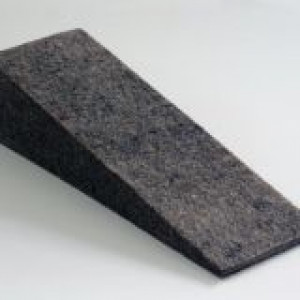
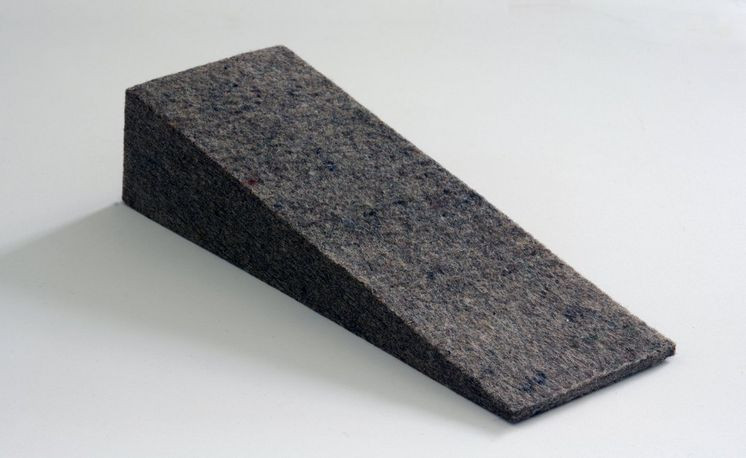
Filzkeil (Felt Wegde)
1984-1986
From box In Memoriam George Maciunas by Joseph Beuys and Nam June Paik
Felt wedge 5.5 x 8.5 x 25 cm. Edition of 47, signed and numbered on certificate by the Beuys Estate.
Schellmann 555
This edition distills Joseph Beuys’s vocabulary of materials into a single, charged form. The wedge of industrial felt – a substance Beuys used throughout his practice for its insulating, protective, and symbolic qualities – embodies the artist’s belief in the transformative potential of materials. Both sculptural object and conceptual proposition, the work points to Beuys’s wider exploration of energy, warmth, and social “activation,” central ideas in his expanded definition of art. Filzkeil exemplifies the quiet intensity and radical simplicity that characterize many of his multiples.
The work is part of the collections of The Broad, Los Angeles, Walker Art Center, Minneapolis, and Harvard Art Museums.
Joseph Beuys
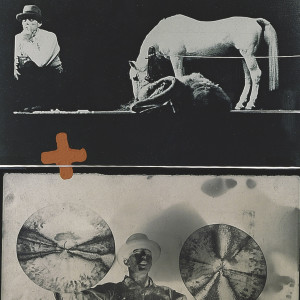
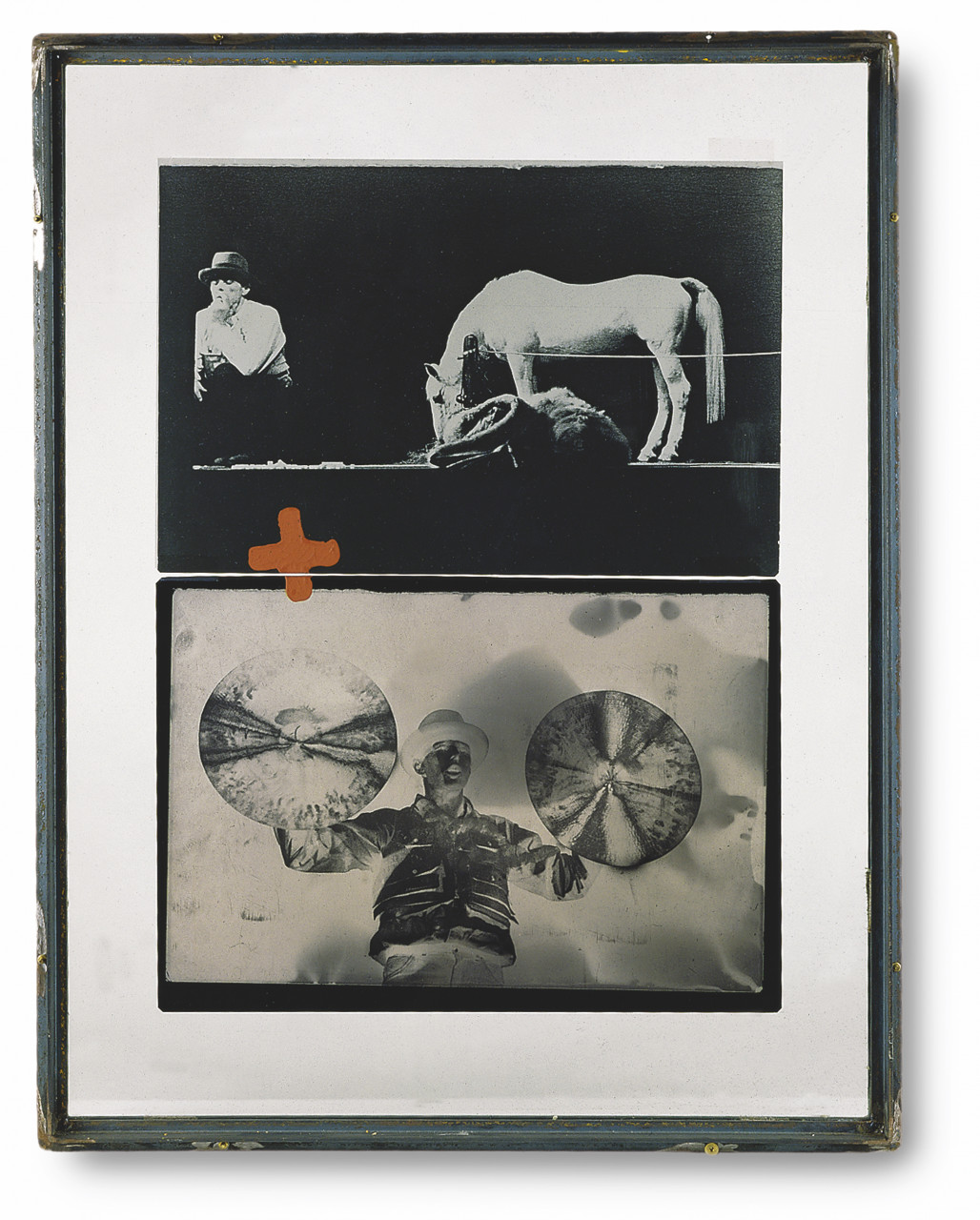
Iphigenie/Titus Andronicus
1985
Photo positive and negative on film, stamped with brown paint, between glass plates, in iron frame, 71 x 55 x 4.5 cm. Edition: 45 + IX + 5 A.P., signed and numbered on small label. (Photos: Ute Klophaus)
Schellmann 523
For this edition, Joseph Beuys selected photographs Ute Klophaus had taken of his performance of Iphigenia/Titus Andronicus on May 29 in 1969 at the experimenta 3 in the Theater am Turm, Frankfurt am Main. The performance was originally based on Claus Peymann's and Wolfgang Wiens' text montage of Shakespeare's Titus Andronicus and Goethe's Iphigenia in Tauris.
The work is part of the collection of the Museum of Modern Art, New York.
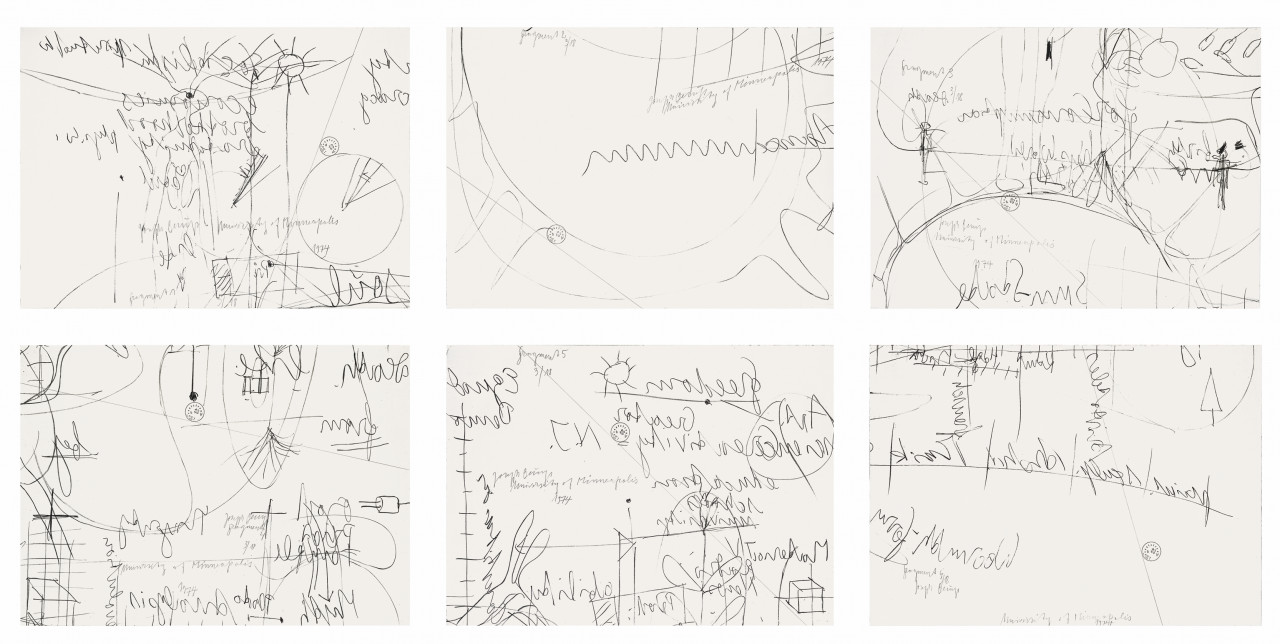
Joseph Beuys
Minneapolis Fragments
1977-1985
Six lithographs painted in black on Rives White from hand-drawn metal plates, with pencil line and handwritten additions. 64.5 x 90 cm. Edition of 18 + VI, stamped Hauptstrom, signed and numbered; plus some signed proofs, some inscribed A.P., most of them with no handwritten additions.
Schellmann 233-238
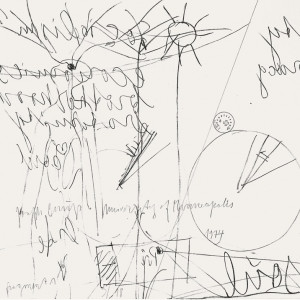
The lithographs of the edition Minneapolis Fragments were printed from metal plates that Joseph Beuys drew in 1974 during a lecture at the University of Minnesota in Minneapolis. They were arranged together on one plate and drawn on it as if they were a single image spread over six printing plates. For the edition, Joseph Beuys decided to hang the prints as unordered “fragments”.
This work is part of the collections of The Broad, Los Angeles, and Stedelijk Museum Amsterdam, among others.
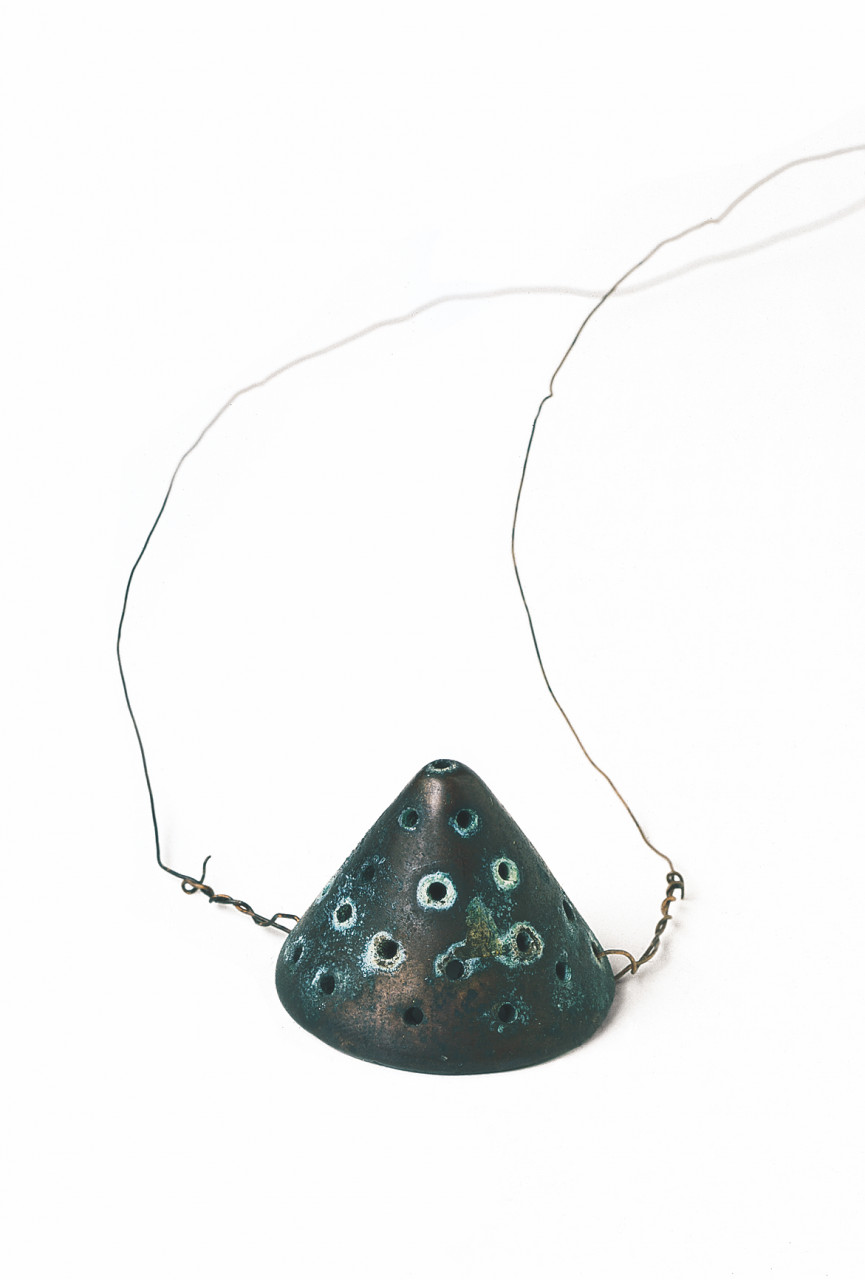
Joseph Beuys
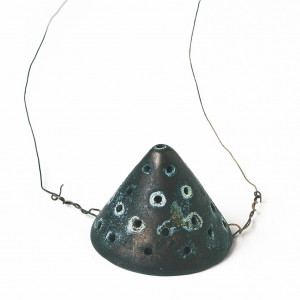
Brustwarze (Nipple)
1984
Bronze, 2.5 x 2.8 cm, brass wire, edition of 25, with certificate, signed and numbered by the Estate.
Schellmann 554
With this edition, Joseph Beuys translates an intimate, bodily form into the realm of the multiple, merging humor, directness, and sculptural precision. Cast in bronze, the small protrusion recalls the artist’s ongoing interest in corporeality, energy, and the symbolic charge of simple shapes. As in many of Beuys’s editions, a modest, everyday motif becomes a site for reflection on vulnerability, human presence, and the transformative power of materials. Created in 1984, the work encapsulates the artist’s ability to infuse even the most reduced forms with conceptual resonance.
The work is part of the collections of Walker Art Center, Minneapolis, and Harvard Art Museums.
EUR 4,500
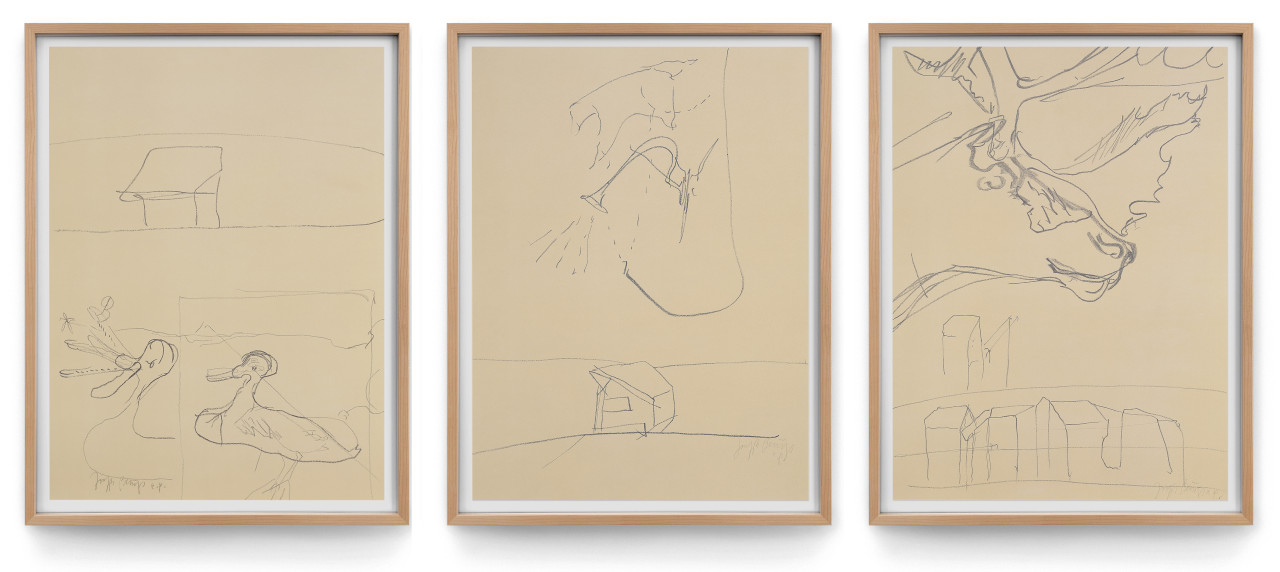
Joseph Beuys
Triptychon
1981
Set of 3 lithographs, each print 76 x 56 cm (30 x 22 in). Edition of 90, each signed and numbered.
a Geschnatter unterhalb der Hütte (Chattering below the hut), b Sternbild des Bären (Constellation of the dipper), c Junger Elch über dem Haus des alten Müllers (Young moose above the old miller's house)
Schellmann 373-375
With this edition, Joseph Beuys expands his exploration of image, material, and symbolic structure into a three-part composition. The triptych format – historically associated with devotional painting – is reinterpreted through Beuys’s conceptual vocabulary, inviting reflection rather than veneration. Through the juxtaposition of restrained forms and charged materials, the work evokes themes central to his practice: transformation, energy, and the permeability between physical and spiritual realms. Created in 1981, Triptychon exemplifies Beuys’s ability to infuse minimal visual means with complex philosophical resonance.
The work is part of the collections of The Broad, Los Angeles, and the Bavarian State Painting Collections.
Set EUR 6,000
Price incl. VAT, plus shipping
Dispatch within 2–5 business days
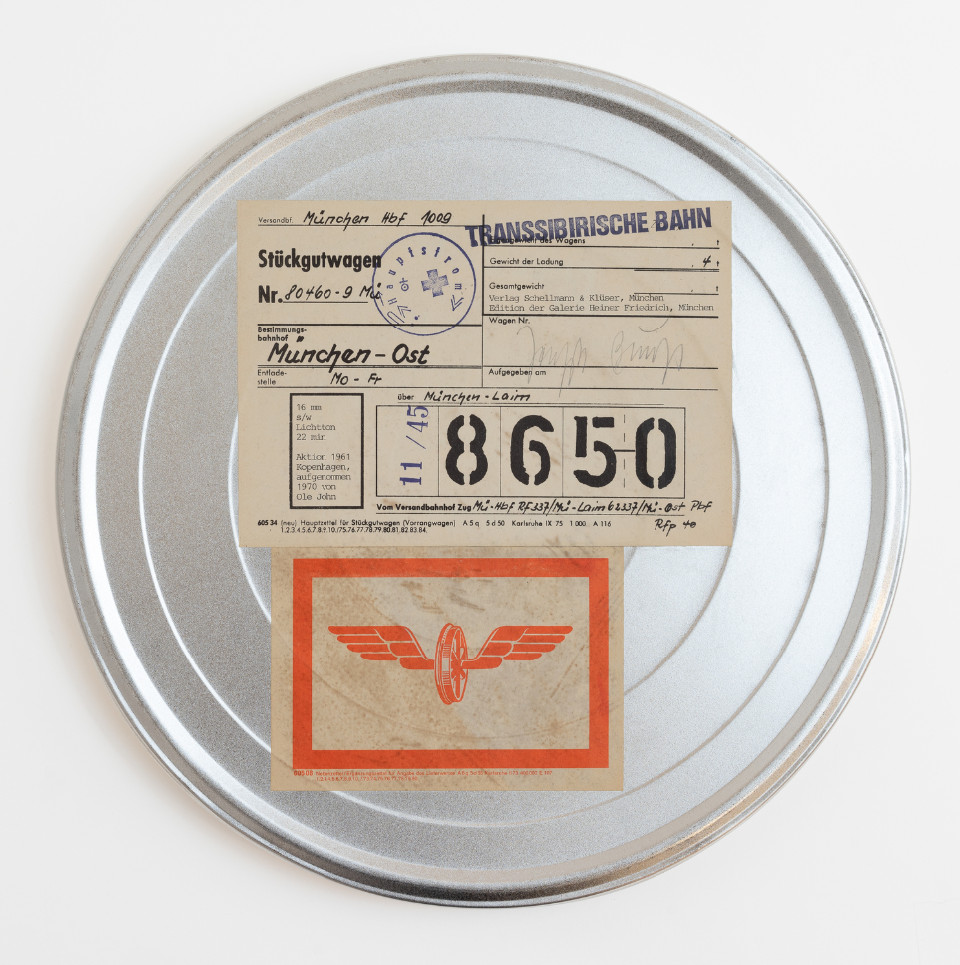
Joseph Beuys
Transsibirische Bahn (Transsiberian Rail)
1980
Transsibirische Bahn Film (16 mm, black and white, sound, 22 min.), in metal tin with railway labels, 3 cm x 37 cm Ø. Edition: 45 (+ 8 A.P.), signed and stamp-numbered on label.
Schellmann 325
This film edition documents an eponymous performance by Joseph Beuys in Humlebaek/Copenhagen in 1961/70, filmed by Ole John.
The work is part of the collections of The Broad, Los Angeles, and Harvard Art Museums.
EUR 6,000
Joseph Beuys
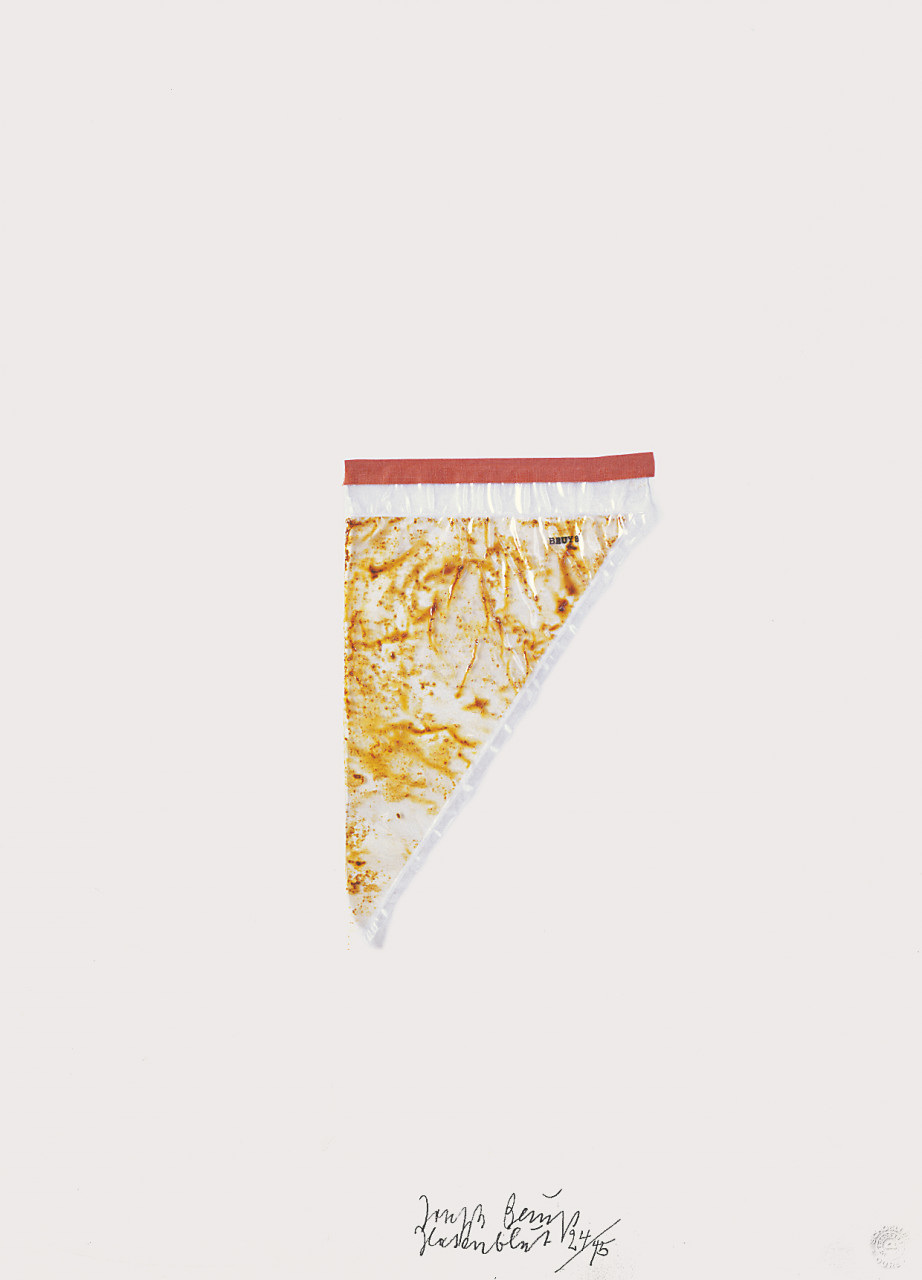
Hasenblut (Hare's Blood)
1971/1979
Plastic bag with hare's blood, mounted on white board with sticking plaster. Print 62 x 45 cm (24 x 17 in). Edition of 45, signed and numbered.
Schellmann 294
This edition is reminiscent of Joseph Beuys' 1965 performance piece Wie man dem toten Hasen die Bilder erklärt (How to Explain Pictures to a Dead Hare), which is considered a key work in his oeuvre and was even re-enacted by Marina Abramović at the Guggenheim Museum in New York in 2005.
At the beginning of his action in the Galerie Schmela in Düsseldorf, Beuys locked the door from the inside and left the visitors outside so that they could only observe the process through the windows. His head completely covered in gold leaf, gold dust and honey, he began to explain the pictures to the dead hare: With the animal in his arms, and apparently in dialog with it, he walked through the exhibition from object to object. Only after three hours was the public allowed into the rooms. Beuys sat on a stool in the entrance area with the hare in his arms and his back to the audience.
This work is part of the collections of The Broad, Los Angeles; Walker Art Center, Minneapolis; Harvard Art Museums; and the National Galleries of Scotland.
EUR 4,500
Joseph Beuys
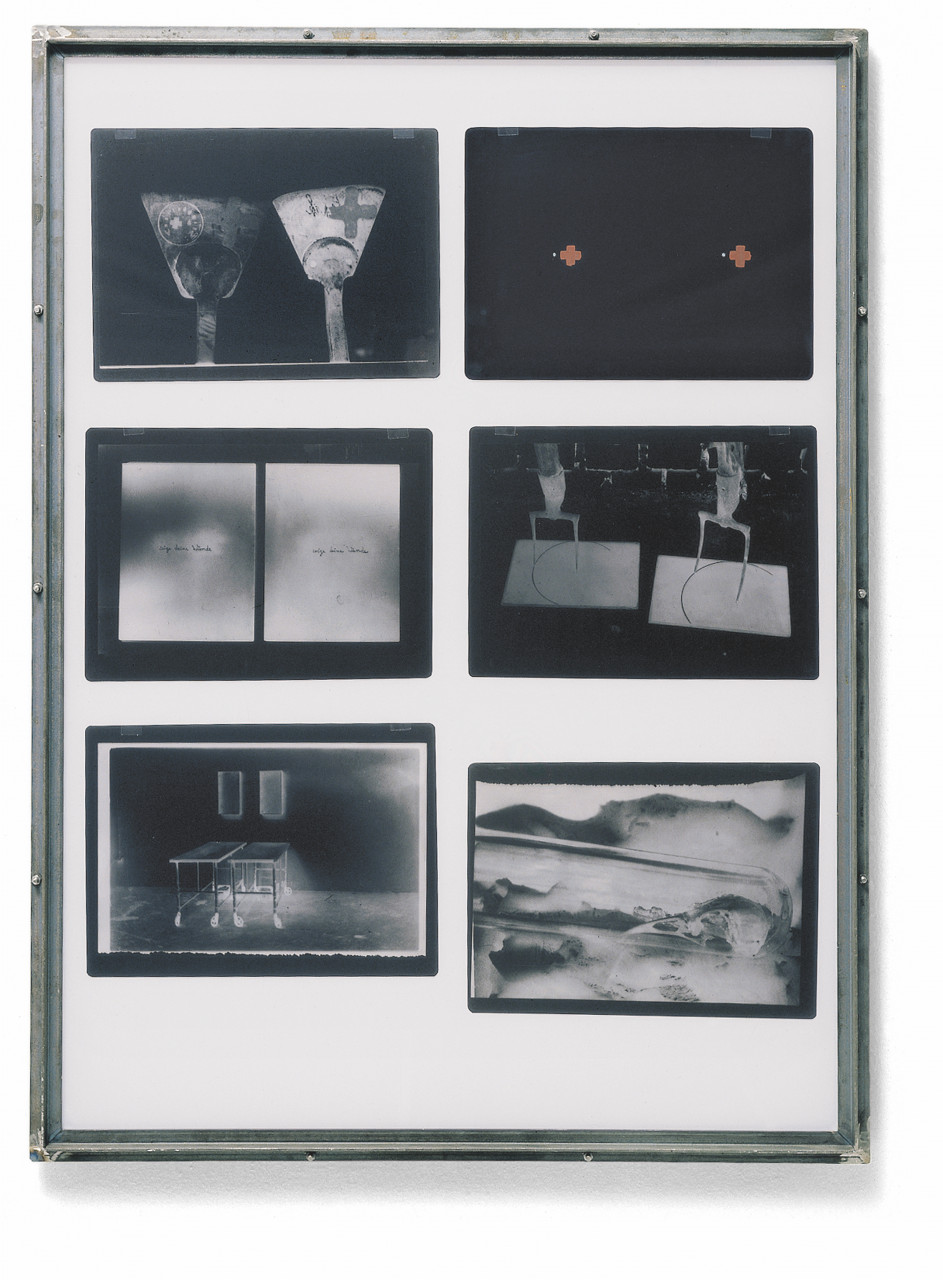
Zeige deine Wunde (Show Your Wound)
1977
Photographic negatives, one with two holes and marked with crosses in brown paint, between a transparent and an opaque glass plate in iron frame, 107 x 79 x 5 cm. Photographs by Ute Klophaus. Edition of 28 + VI, signed and numbered on paper tag attached verso on the piece. Some A.P., signed; + 5 H.C., signed and stamp-numbered on paper tag stamped Hauptstrom and sandwiched between glass plates.
Schellmann 218
In 1976, Joseph Beuys created the installation Zeige deine Wunde (Show Your Wound) for the Schellmann and Klüser Gallery in Munich. The work consisted of several objects arranged in pairs, grouped around the central element – a pair of mortuary tables. Later, while looking at the exhibition photographs, Beuys came up with the idea of mounting the negatives like “X-ray images” on an opalescent pane of glass for an edition. One film remained black and had two holes in it, reminiscent of an obscura camera – a reference to trauma, diagnosis and the medium of photography itself.
Joseph Beuys
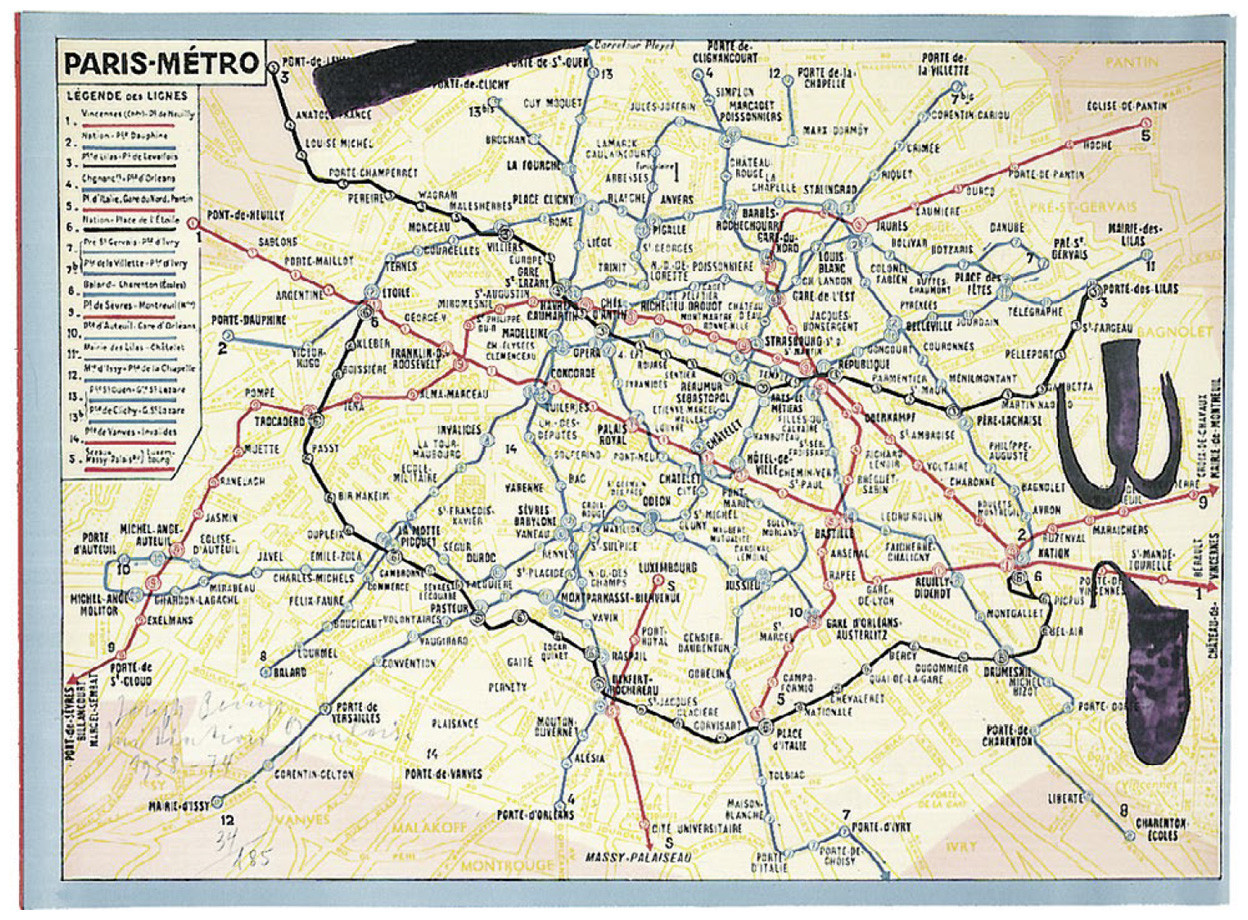
Initiation Gauloise (Gallic Initiation)
1976
Lithograph, 65 x 85 cm (25½ x 33½ in). Edition of 185, signed and numbered.
Schellmann 190
For this edition, Joseph Beuys overlays a Paris Métro map with symbols that refer to ancient Gallic initiation rituals, merging contemporary urban structure with archaic forms of knowledge and transformation. By inscribing these signs onto a system of navigation, Beuys connects everyday movement through the city with deeper mythological and spiritual passages. As in many of his multiples, the reduced visual gestures carry conceptual weight, pointing to themes central to his practice: ritual, activation, and the transition from one state of consciousness to another.
This work is in the collections of the Museum of Modern Art, New York; The Broad, Los Angeles; National Galleries of Scotland; and Bavarian State Painting Collections.
EUR 3,500
Price incl. VAT, plus shipping
Dispatch within 2–5 business days
Joseph Beuys
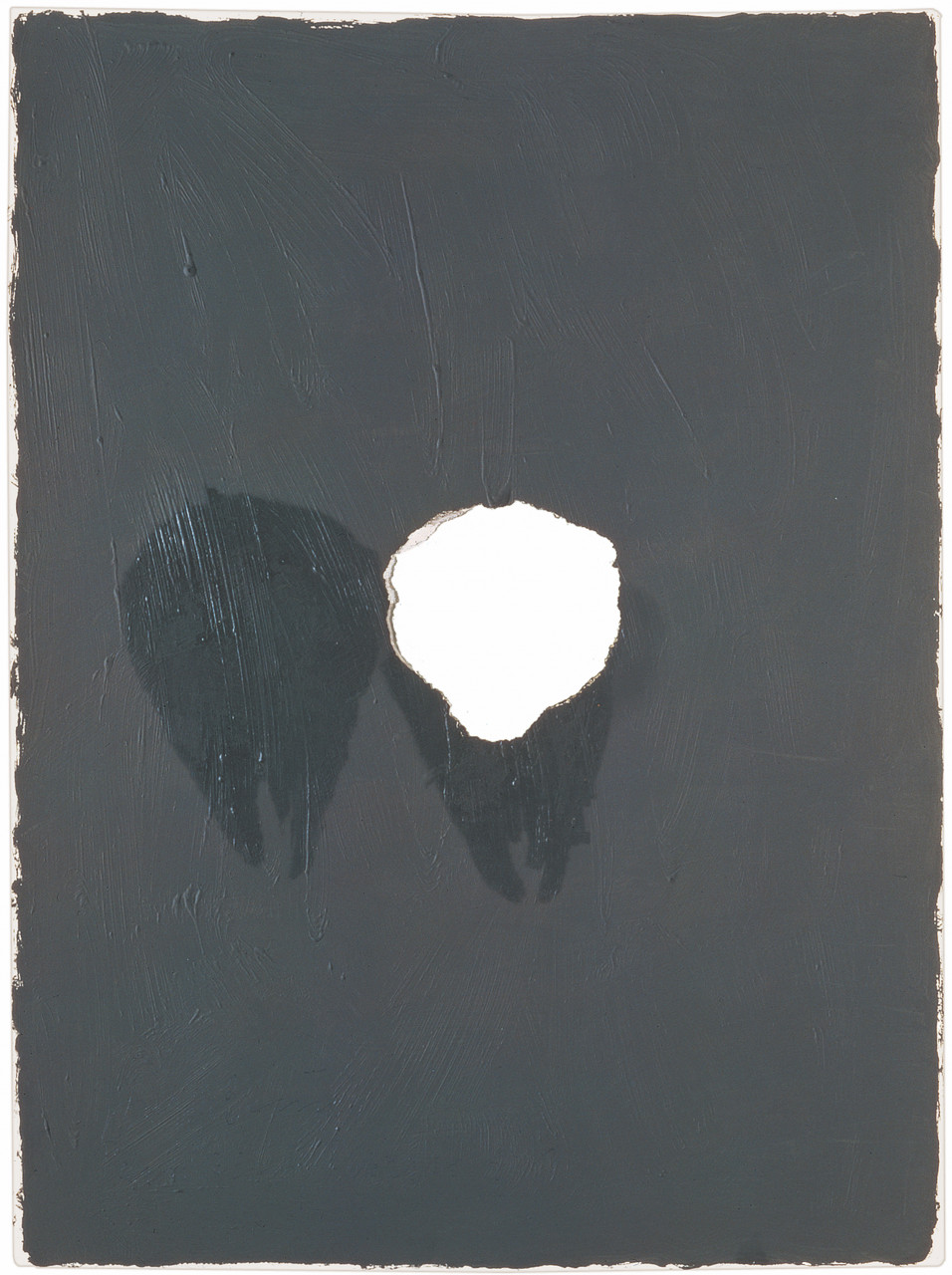
Painting Version 1-90
1976
Oil paint and butter on rag paper, torn hole, 76 x 56 cm (30 x 22 in). Edition of 90, each unique, signed and numbered.
Schellmann 186
This edition comprises 90 hand-painted works by Joseph Beuys, each differing subtly in the structure of the painted forms and in the shape of the sheep’s heads. This series exemplifies Beuys’s interest in repetition with variation – an edition that resists uniformity through the individuality of the artist’s touch. The motif of the sheep’s head, recurring throughout Beuys’s practice, invokes themes of guidance, vulnerability, and collective movement. By combining serial production with uniquely painted elements, the works merge the conceptual logic of the multiple with the immediacy of drawing and gesture. Created in 1976, the edition highlights Beuys’s ongoing inquiry into transformation, symbolism, and the expressive potential of simple, direct markings.
This work is in the collections of the Museum of Modern Art, New York; The Broad, Los Angeles; Walker Art Center, Minneapolis; National Galleries of Scotland; and Bavarian State Painting Collections.
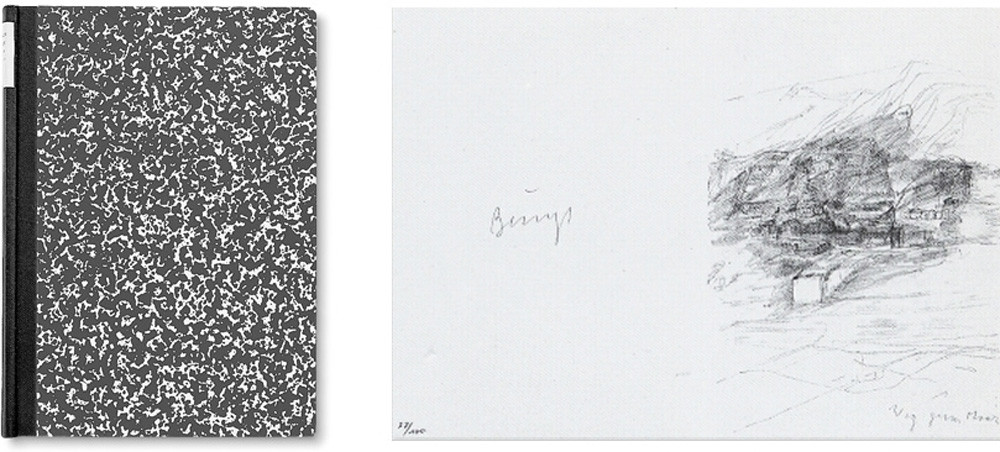
Joseph Beuys
Zeichnungen zu Codices Madrid von Leonardo da Vinci II (Drawings for Codices Madrid by Leonardo da Vinci II)
1975
Book with 81 bound-in and 1 loose granolithograph, folded; print 23 x 32 cm (9 x 12½ in). Print is signed and numbered, 9 different images. Edition of 100 each.
Schellmann 177-185
This lithograph book edition comprises Joseph Beuys’s response to the two rediscovered Codices Madrid by Leonardo da Vinci, published in facsimile in 1974. Across 81 lithographs after his pencil drawings, Beuys creates a dialogue with Leonardo’s notebooks while highlighting their differences. His finely drawn landscapes, bodies, and occasional machine-like forms trace energetic flows rather than precise descriptions, reflecting an intuitive, symbolic approach in contrast to Leonardo’s analytical method. The unorthodox cardboard cover – modeled after an American school notebook – underscores the work’s intended circulation as an accessible multiple rather than a private sketchbook.
The work is part of the collections of The Broad, Los Angeles; Harvard Art Museums; the National Galleries of Scotland; and the Bavarian State Painting Collections.
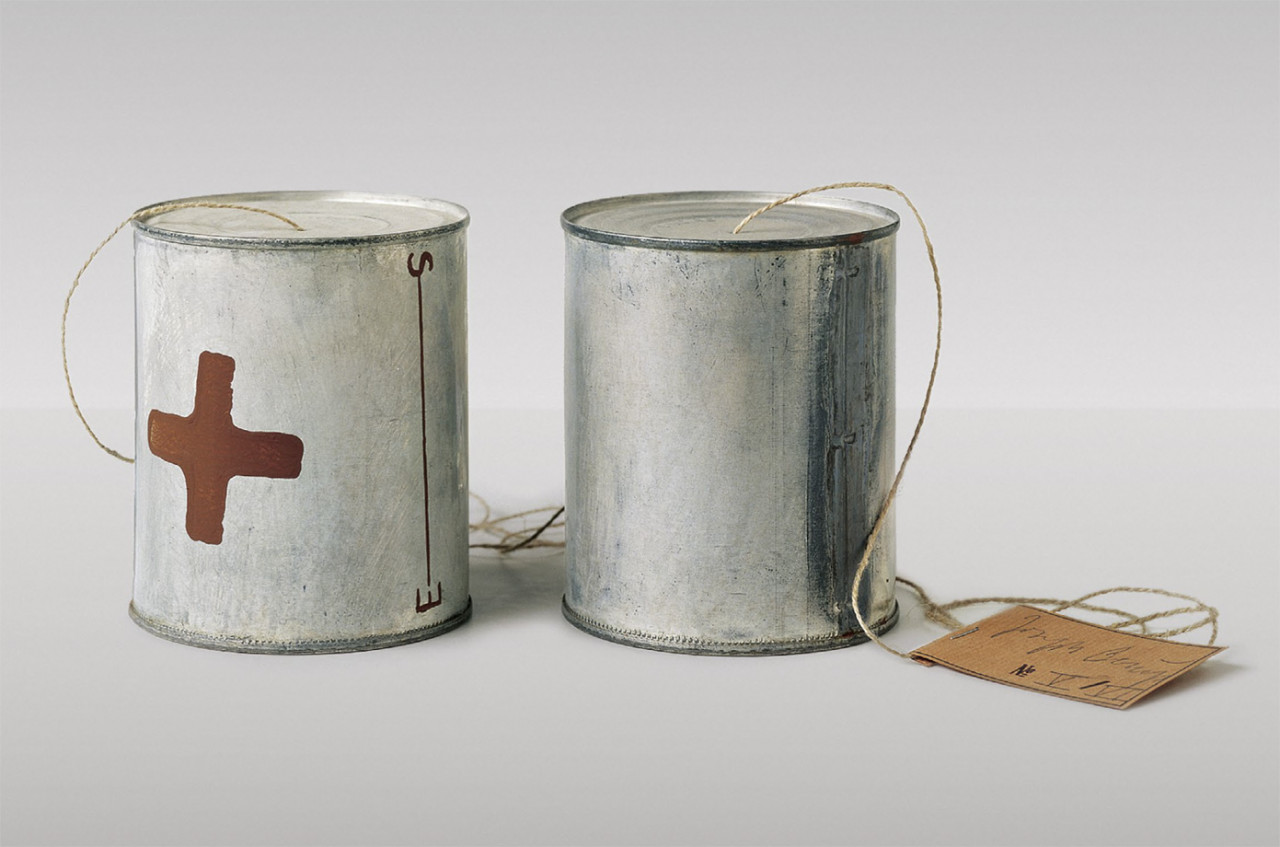
Joseph Beuys
Telephon S––––Ǝ (Telephone T––––Я)
1974
Part of Two Fluxus Objects (together with Green Violin)
Two tin cans, one with symbols in brown paint (Braunkreuz), 180 cm string, and paper tag. 204 x 10 x 10 cm. Edition: 24 + VI (6 with brown painted symbol also on second can), all signed and numbered on paper tag. 5 A.P., signed, not numbered.
Schellmann 136
Joseph Beuys described this edition to Jörg Schellmann and Bernd Klüser in 1970:
“With the two tin cans I took the most childish form of communication—just two cans—and marked them with a positive and a negative pole. These signs mean that the communication has to be seen in a universal context. The form of the cans can be stretched out; this alone provides the meaning. The cans cannot do that by themselves, they simply suggest a quite basic process: the concept of transmitter and receiver… that means two stations, whether they are single individuals or groups linked together. A piece of string connecting the two, a positive and a negative pole, and the two can communicate with each other. That doesn’t constitute a statement about what a contemporary theory of information might be. Tin cans can’t do that, but they can suggest it—initiate ideas—if an intuitive person encounters it.”
The title S – Ǝ abbreviates Sender – Empfänger (“Transmitter – Receiver”), distilling the work to its essential premise: communication as a dynamic, reciprocal process.
The work is in the collections of various major museums, including MoMA, New York; The Broad, Los Angeles; the National Galleries of Scotland; and the Bavarian State Painting Collections.
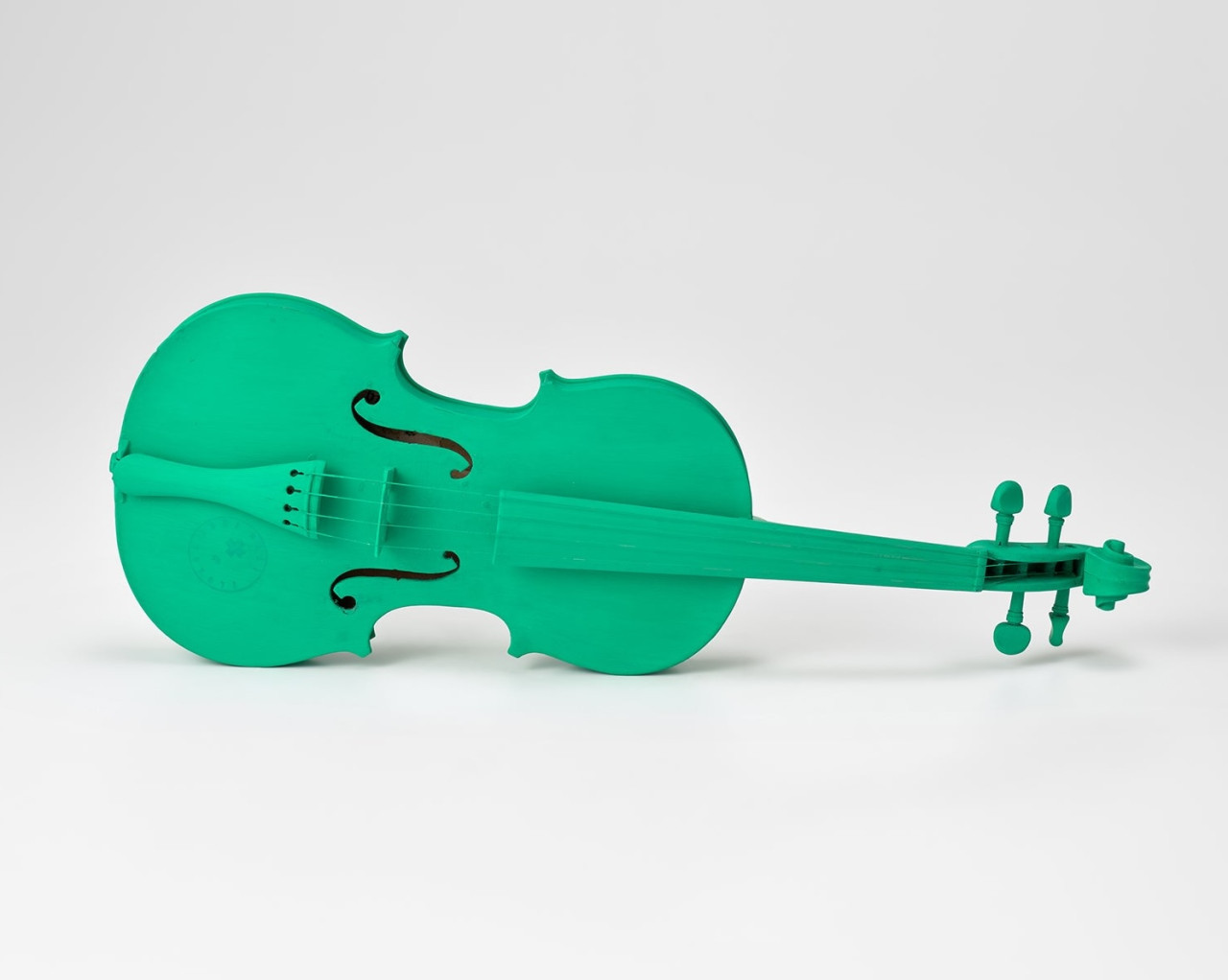
Joseph Beuys
Grüne Geige (Green Violin)
1974
Part of Two Fluxus Objects (together with Telephone T––––Я)
Green painted violin, 21 x 60 x 9 cm. Edition: 24, stamped "Fluxus Zone West", unsigned, not numbered; a few violins were signed by Joseph Beuys.
Schellmann 135
The edition Green Violin is an action-object based on the violin played by Fluxus composer Henning Christiansen during the performance …Or should we change it, staged by Joseph Beuys and Christiansen at the Städtisches Museum Mönchengladbach on 27 March 1969. Many of Beuys’s early Aktionen took the form of concert-like events, reflecting his close involvement with Fluxus in the 1960s – an international movement rooted in experimental sound practices and influenced by figures such as John Cage.
Sound and silence form recurring motifs throughout Beuys’s oeuvre. Green Violin embodies this ongoing exploration, capturing not only a moment of Fluxus collaboration but also the artist’s belief in performance as a catalyst for social and imaginative transformation.
The work is in the collections of MoMA, New York; Walker Art Center, Minneapolis; Hardvard Art Museums; The Broad, Los Angeles; and the National Galleries of Scotland, among others.
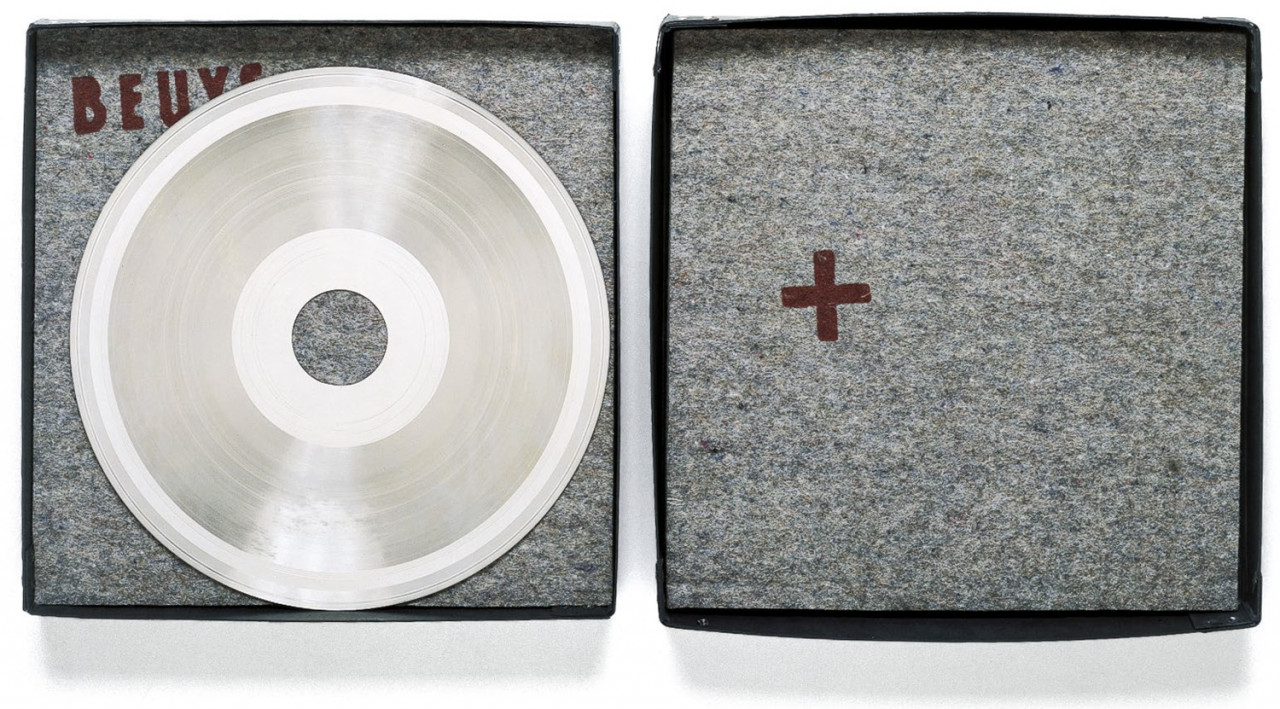
Joseph Beuys
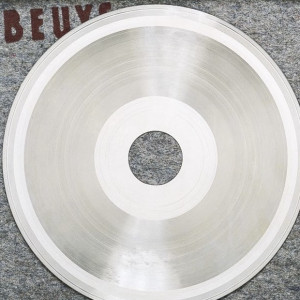
Sonnenscheibe (Sun Disc)
1973
Record master-mould (copper, nickel plated on incised side) with hole punched in the center, and two pieces of felt, each stamped with brown paint, in black cardboard box with label, 38 x 38 x 4 cm (15 x 15 x 1½ in). Edition: 77 (+ VII + 3 H.C.), signed and numbered on label on the box.
Schellmann 85
In his Sun Disc edition, Joseph Beuys distills one of his central metaphors – the sun as a source of energy, warmth, and renewal – into a pared-down, symbolic form. The circular disc, marked by Beuys’s characteristic use of materials and reductive gesture, reflects his belief in the transformative power of elemental forces.
Throughout his practice, Beuys associated the sun with creative and spiritual potential, linking natural energy to his wider concept of soziale Plastik, in which art becomes a catalyst for individual and collective change. Sonnenscheibe echoes this thinking: an object that appears simple yet carries the charge of Beuys’s broader philosophical project.
Sonnenscheibe is in the collections of The Broad, Los Angeles; Walker Art Center, Minneapolis; Harvard Art Museums; and the National Galleries of Scotland, among others.
Joseph Beuys
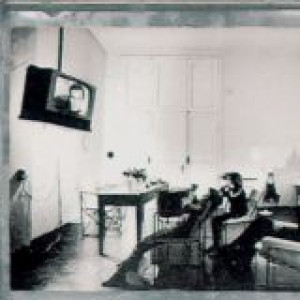
Enterprise 18.11.72, 18:05:16 Uhr
1973
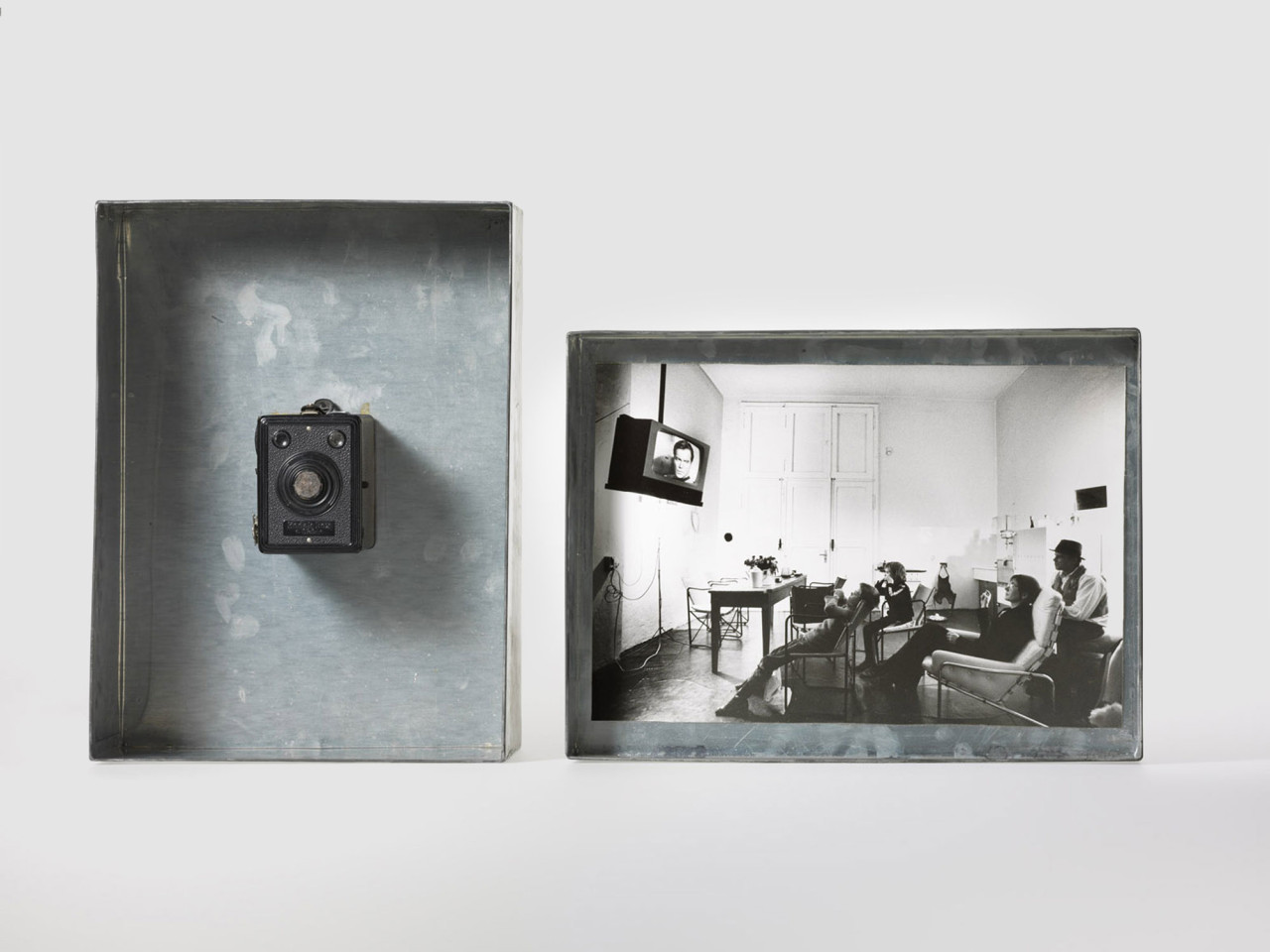
Zinc box with photograph, camera, felt. 41 x 30.5 x 15.5 cm, edition of 24 + V, signed and numbered.
Schellmann 72
This edition features a photograph taken by Michael Ruetz, depicting the Beuys family watching the science fiction TV series Starship Enterprise. At the time, the family lived at Drakeplatz 4 in Düsseldorf, where their apartment and studio functioned as a shared space for work and life. Beuys covered the lens of the camera embedded in the lid of the zinc box with a felt disc, echoing his action Filz-TV, in which he obscured a television screen with felt. With this gesture, he responds to the "mechanical" gaze of the camera, transforming its outward view into an inward one through the insulating properties of felt. Inside the zinc box, two objects are mounted in the double strategy of parallel processes often employed by Beuys, both engaging with the act of seeing: television itself, the family captured by the camera and the photographer's eye, who in turn watch a film set in the future, and a handy box camera, whose function is altered by covering its lense, shifting its role from capturing an image to questioning the nature of vision itself.
Joseph Beuys
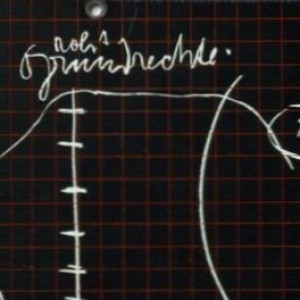
Schiefertafel (Blackboard)
1972
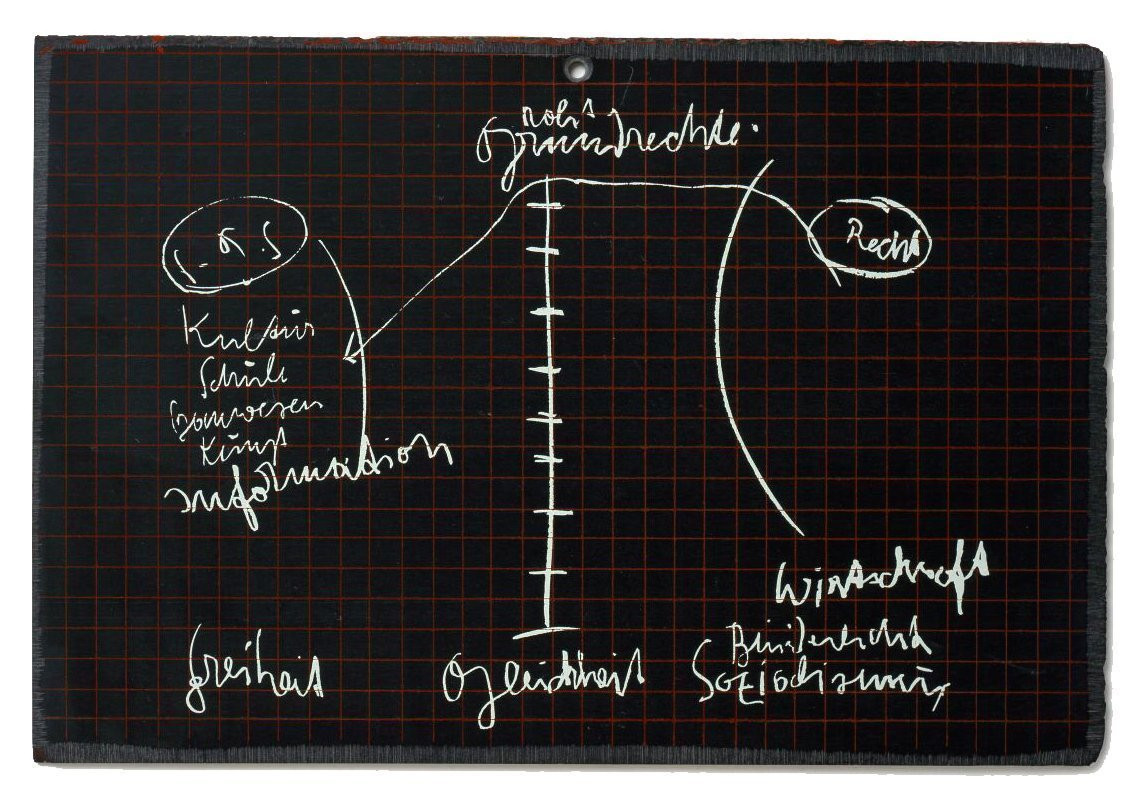
Blackboard, printed in silkscreen on both sides, stamped "Hauptstrom". 17 x 25 x 0.3 cm. Edition of 200, signature engraved on lined side of blackboard, unnumbered.
Schellmann 52
In Schiefertafel (Blackboard) Joseph Beuys transforms a simple blackboard into a work that bridges drawing, notation, and conceptual thinking. Printed in silkscreen on both sides, this edition recalls Beuys’s long-standing use of blackboards in his Aktionen and lectures, where they served not merely as surfaces for writing but as tools for dynamic communication, diagramming ideas and relationships in real time.
Blackboards played a key role in Beuys’s broader practice – appearing in performances and public lectures throughout the 1960s and 1970s – where drawing became a form of active, participatory exchange rather than static representation.
Schiefertafel (Blackboard) is held in the collections of The Broad, Los Angeles; Walker Art Museum, Minneapolis; the National Galleries of Scotland; Harvard Art Museums; and others.
EUR 2,200
Joseph Beuys
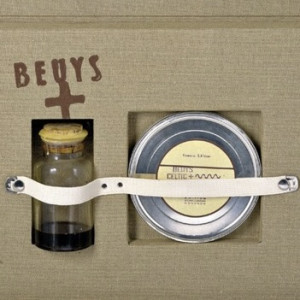
Celtic + ~~~~~
1971
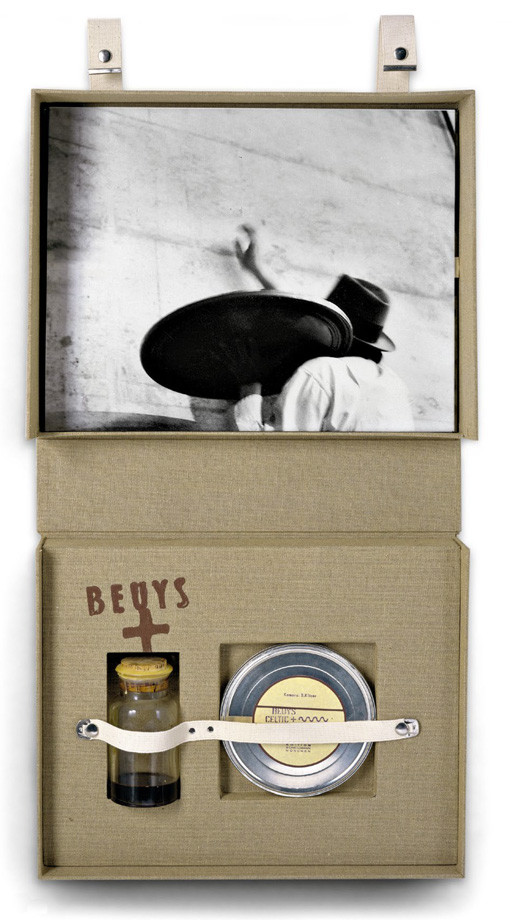
Linen box containing a Super 8 film, b/w, 25 with sound track b 10 photographs b/w 50 x 40 cm ea. c bottle with gelatin sealed with beeswax 16.5 x 8.5 cm Ø (6½ x 3¼ in dia.). Box: Stamped with brown paint, 41 x 52.5 x 10 cm. (The edition first came in a cardboard box; only the last part of the edition came in a linen box as shown here, but many of the earlier cardboard boxes were later exchanged against the linen one.) Edition: 100, signed and numbered on label in box.
Schellmann 37
With this edition, Joseph Beuys documents his performance Celtic + ~~~~~, presented on April 5, 1971, in a civil defense bunker in Basel. The work includes photographic and textual material from the action as well as a small bottle originally filled with gelatine used by Beuys during the performance – an organic material that has since liquefied over time.
Like many of Beuys’s action performances, Celtic + ~~~~~ combined elemental substances, symbolic gestures, and ritualized movement. The presence of the gelatine, shifting in form decades after the event, underscores Beuys’s interest in transformation, process, and the continued life of materials beyond the moment of performance.
Celtic + ~~~~~ is held in the collections of MoMA, New York; the National Gallery of Art, Washington; The Broad, Los Angeles; Harvard Art Museums; and the Bavarian State Painting Collections, among others.
Joseph Beuys
Fingernagelabdruck aus gehärteter Butter (Fingernail Impression in Hardened Butter)
1971
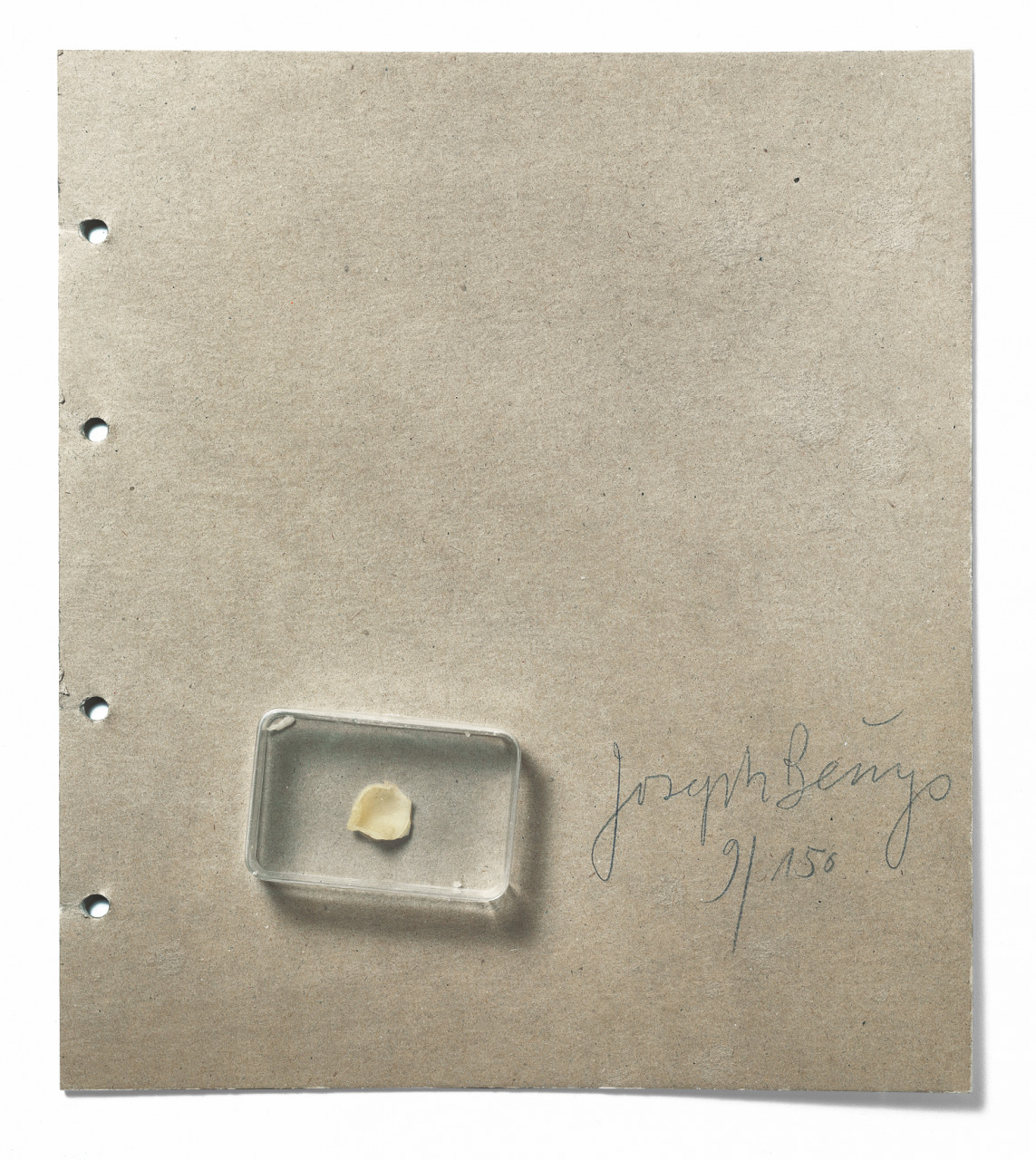
Fingernail impression of hardened butter in plastic box mounted on perforated gray cardboard, 24 x 21 x 1.5 cm ( 9½ x 8¼ x ½ in). Edition: 150, signed and numbered on the cardboard.
Schellmann 35
In this edition, Joseph Beuys transforms a simple domestic material into a work that bridges the realms of sculpture, body trace, and conceptual gesture. A hardened impression left by a fingernail in a block of butter-wax is presented in a plastic box mounted on gray cardboard, capturing a delicate but direct imprint of human contact.
By foregrounding the residue of a bodily action rather than a crafted form, the work reflects Beuys’s interest in process, imprint, and the ongoing dialogue between material and meaning. Butter—an organic substance laden with associations of nourishment, life, and transformation—becomes a site for subtle, quiet expression that resonates with his broader practice.
This work was published as a special edition of the first catalogue raisonné Joseph Beuys – Multiples + Prints.
EUR 5,000
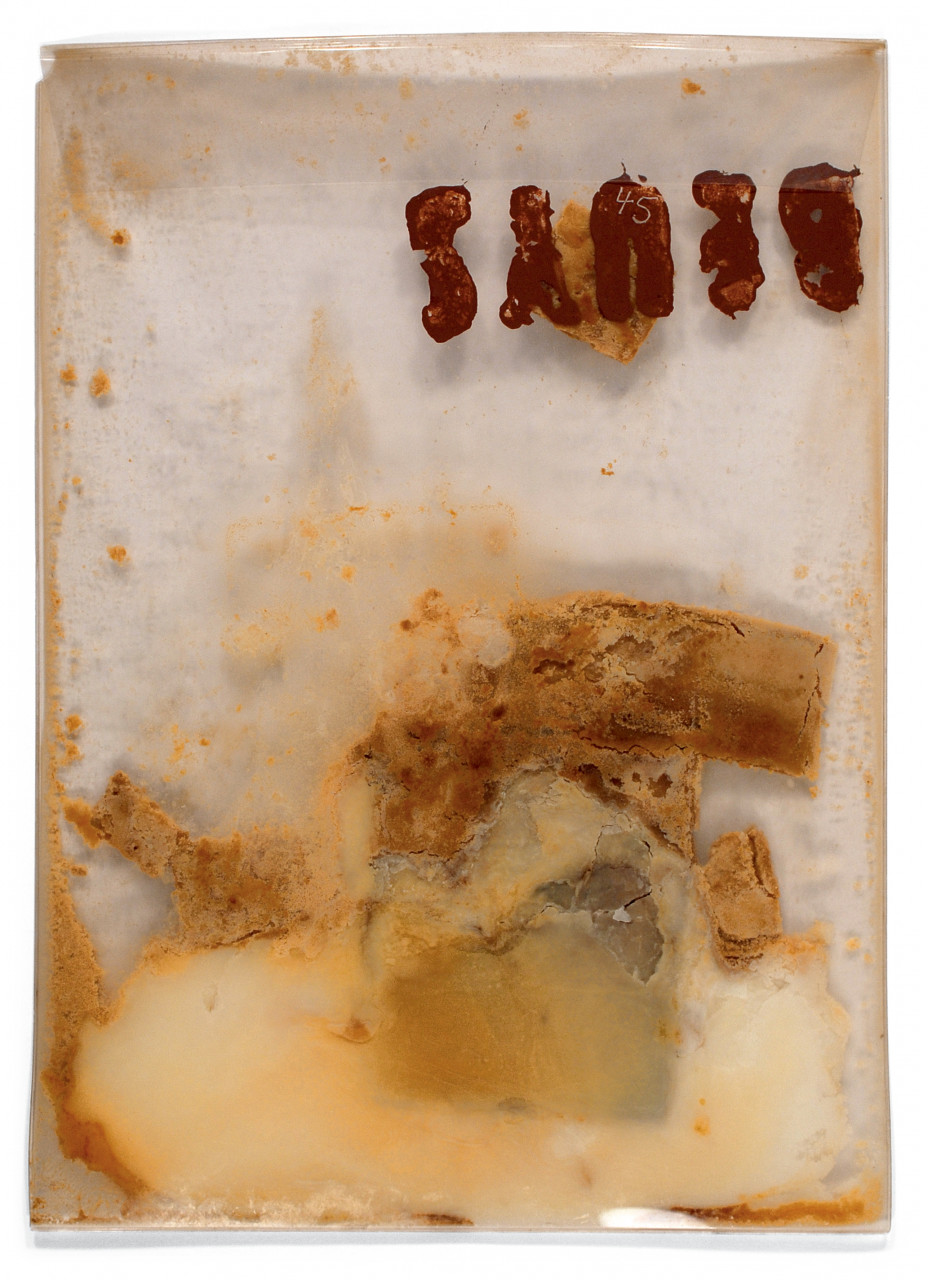
Joseph Beuys
aus Künstlerpost (from Artist's Mail)
1969
Plastic envelope with margarine and white chocolate; envelope with Browncross stamp. 32 x 23 x 1 cm. Edition of 100, unsigned, numbered by the artist.
Schellmann 15
In aus Künstlerpost, Joseph Beuys turns the idea of mailed correspondence into a playful yet conceptually charged gesture. By sending “artist’s mail” made of ordinary, perishable materials, he disrupts conventional communication and redirects attention to the symbolic and sensorial qualities of the substances themselves. The work reflects Beuys’s broader interest in transformation, energy, and the poetic potential of everyday materials – an approach that shaped many of his early multiples and action-related objects.
This edition is part of the collections of The Broad, Los Angeles; the National Galleries of Scotland; and the Walker Art Center, Minneapolis, among others.
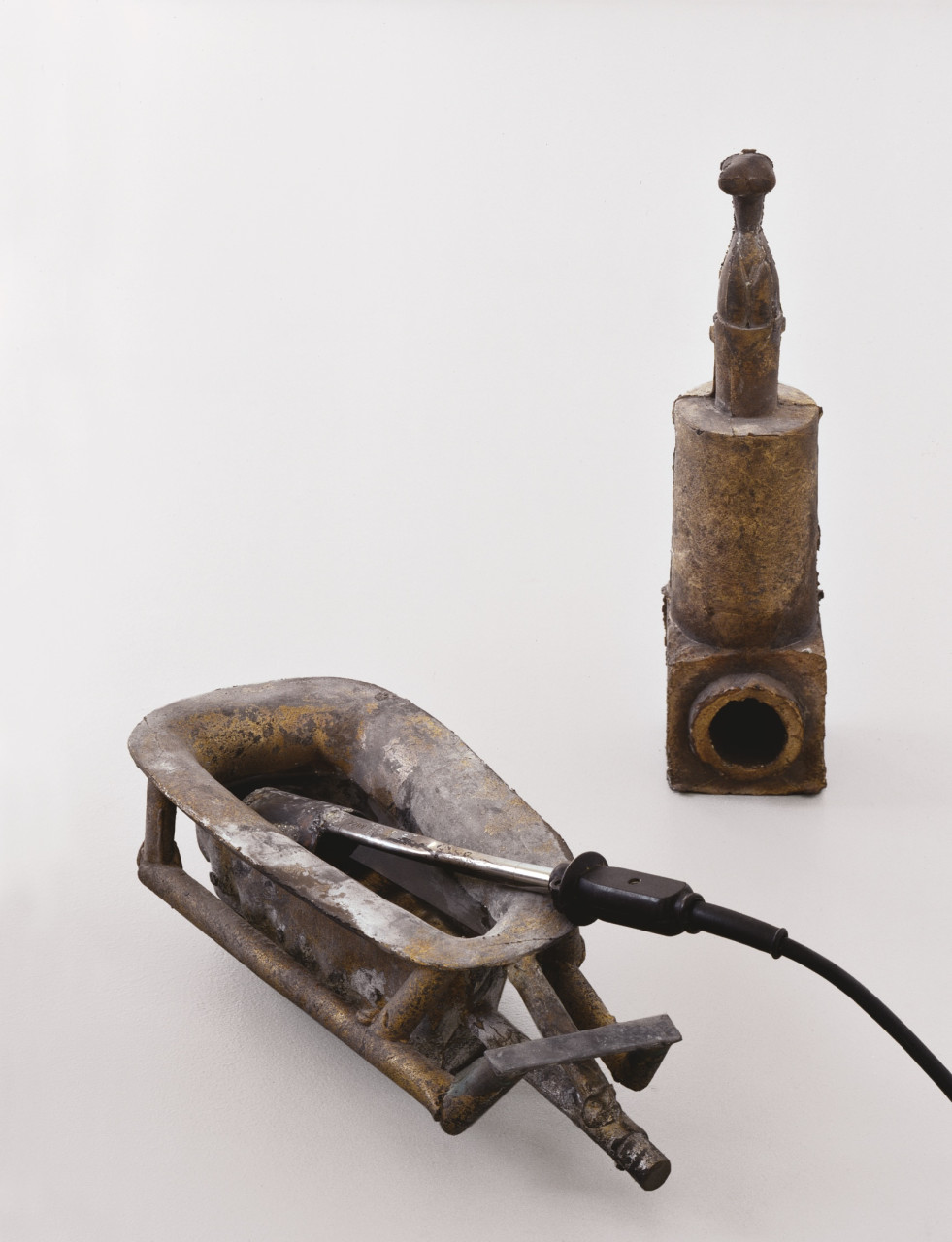
Joseph Beuys
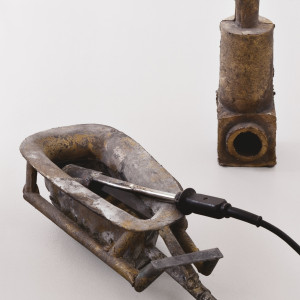
Badewanne für eine Heldin (Bathtub for a Heroine)
1984
Two bronze works (oven and bathtub), immersion heater with lead. Bathtub: 32 x 14 x 10 cm (12 ⅝ x 5 ½ x 4 in); oven: 31 x 7 x 7.5 cm (12 ¼ x 2 ¾ x 3 in). Signed in brown oil paint "Braunkreuz" (on the base of the oven).
Conceived in 1950 (oven) and 1961 (bathtub) and executed in 1984, Joseph Beuys created seven casts of this work (six exclusively for Schellmann and Klüser, and one as an artist's cast).

